

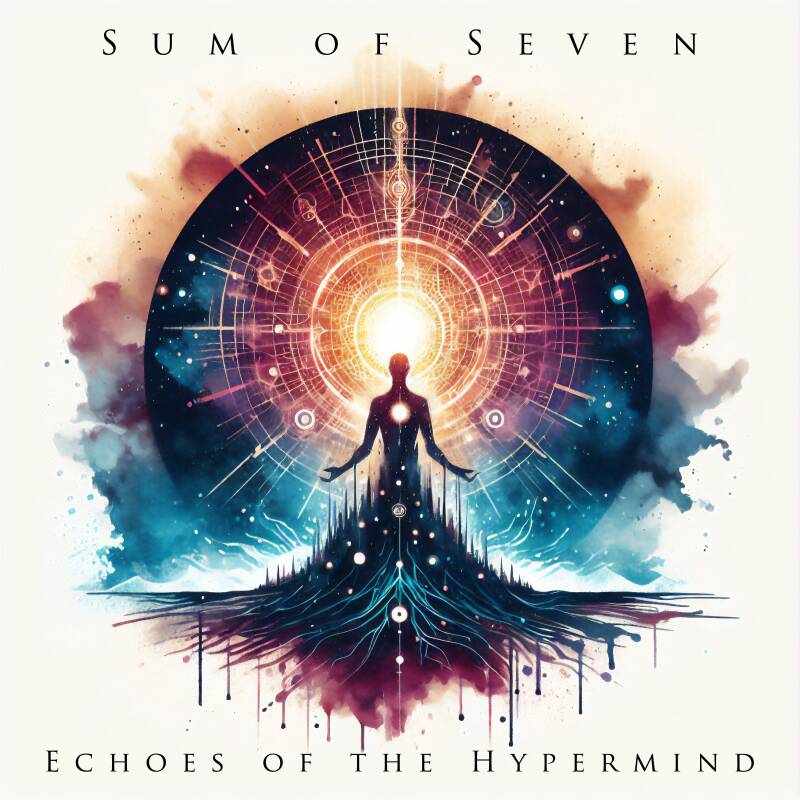
Release Date May 15th, 2026
Format CD/Digital
Genre Progressive Metal
Origin Finland
Turku's Sum Of Seven have been around in one form or another for more than a decade, first emerging as Sonus Corona before adopting their current name during the pandemic. What began as a project between friends gradually turned into a band with bigger ambitions, earning attention through their independent debut and later with 2019's "Time Is Not On Your Side" on Inverse Records. A lineup change behind the microphone brought Marko Loukamaa into the fold in 2020, giving the group a fresh voice without changing its musical direction.
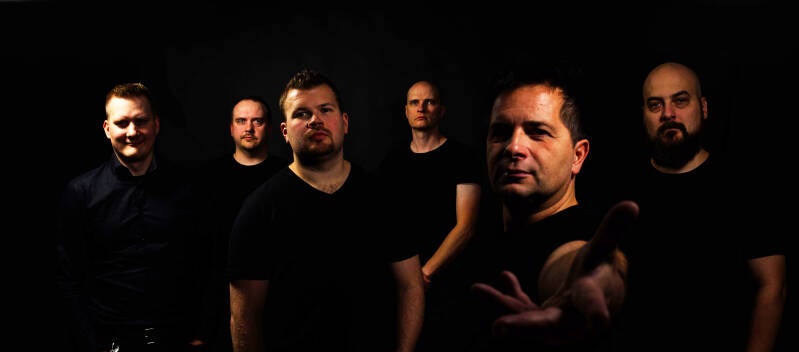
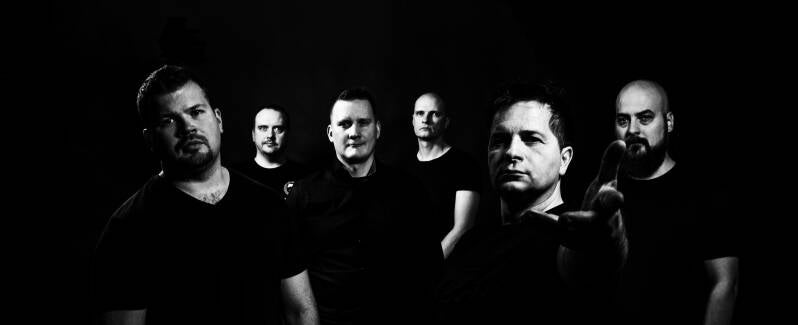
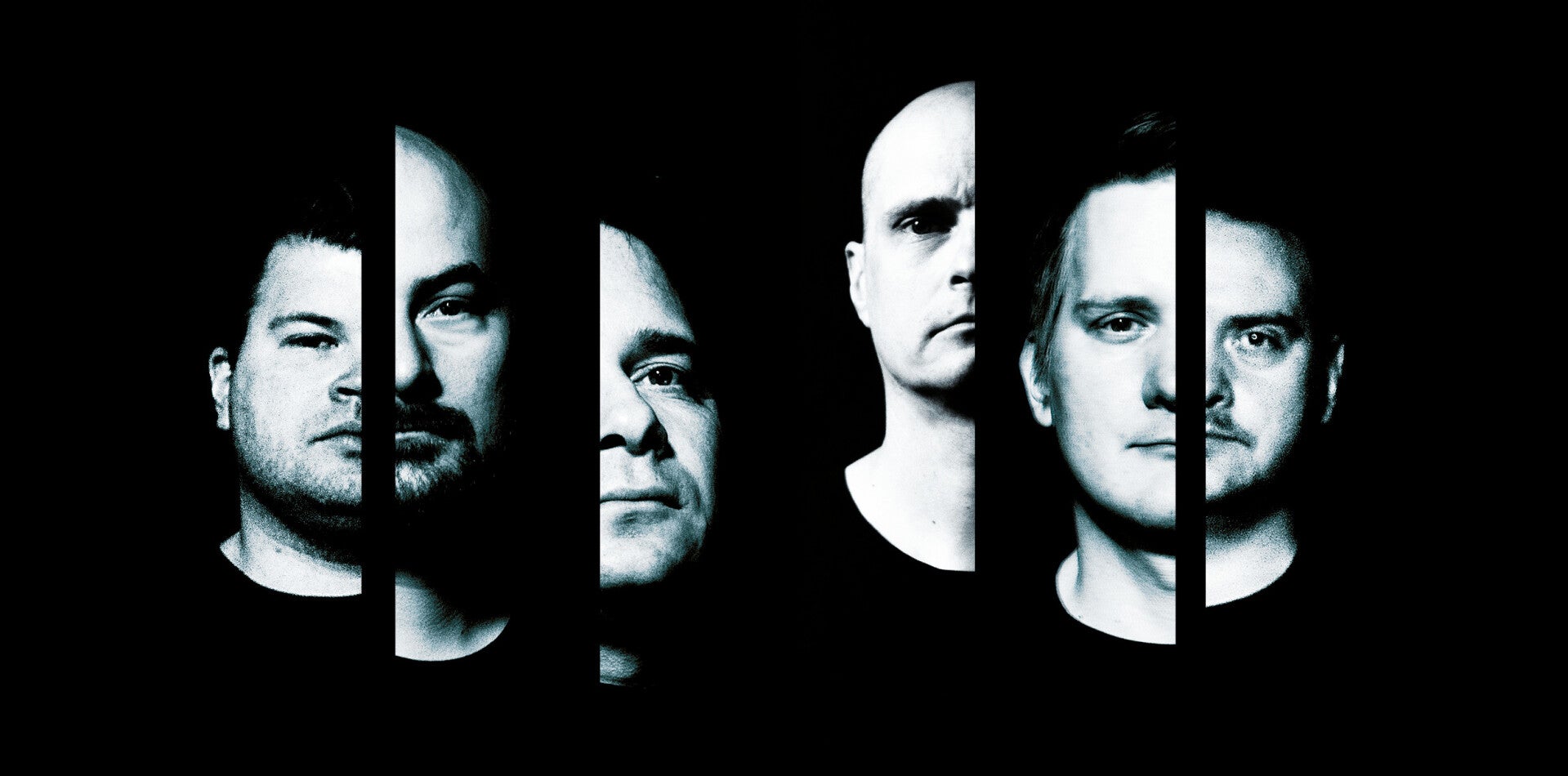
Their path has not been smooth. The making of "Echoes Of The Hypermind" was interrupted by a life changing accident involving guitarist and principal songwriter Ari Lempinen, placing the future of the band in doubt. His recovery allowed the album to be completed, with the current lineup featuring Ari Lempinen and Harri Annala on guitars, Miika Erkkilä on bass, Esa Lempinen on keyboards, Rasmus Raassina on drums, and Loukamaa handling the lead vocals. Through every setback, Sum Of Seven has remained committed to melodic progressive metal built around expressive guitar work, layered keyboards, memorable vocal melodies and lyrical themes exploring the workings of the human mind.
"Echoes Of The Hypermind" follows that same musical path without making dramatic changes to the formula. The songwriting balances technical sections with accessible melodies, giving every instrument enough space to contribute without turning the album into a display of endless virtuosity. The guitar work shifts between rhythmic riffs and melodic solos, while the keyboards expand the arrangements with atmosphere and texture instead of dominating the mix.
Loukamaa settles comfortably into the material, bringing enough variation to keep the vocal lines interesting, even if some melodies become predictable after repeated listens. Mixed and mastered by Tommi Kujala, the production gives every performance good definition and avoids burying details beneath excessive layering. The concept revolves around the human mind and personal reflection, giving the lyrics a thoughtful direction that fits the music without becoming overly abstract or difficult to follow.
The album succeeds most when melody and rhythm work together, producing songs that stay engaging without relying only on technical playing. There is a steady flow throughout the material, and the transitions between heavier passages and calmer moments are handled with good judgment. At the same time, several sections revisit ideas that progressive metal listeners have heard many times before.
Fans of Haken, Vola, and Threshold will immediately recognize familiar songwriting habits, from the vocal phrasing to the keyboard textures and rhythmic patterns. Those influences are woven into the music with respect, though they occasionally overshadow the band's own personality. A few compositions could also benefit from stronger hooks, since some choruses pass by without leaving a lasting impression. The musicianship is never in question, though technical skill alone cannot always compensate when the songs settle into expected territory.
There is enough quality here to recommend the album to listeners who enjoy modern melodic progressive metal, especially those looking for thoughtful arrangements instead of nonstop complexity. The performances remain engaging throughout, the production gives the music a balanced presentation, and the concept ties the material together in a convincing way.
At the same time, "Echoes Of The Hypermind" does not reach the level where every composition leaves the same impact. Some moments invite repeated listens, others fade more quickly once the album ends. Sum Of Seven have assembled a respectable release with genuine musical ability behind it, even if a few ideas would have benefited from taking greater risks and developing more distinctive songwriting.
|8.0

Add comment
Comments