

Release Date May 15th, 2026
Format 3CD/2LP
Genre Gothic Metal
Origin Germany
Crematory formed in Mannheim in 1991 and emerged from the German death metal scene before keyboards, electronic programming, gothic melody and industrial rhythm became central parts of their sound. Across three and a half decades, the band built a broad catalogue around low growls, melodic vocal lines, down tuned guitar riffs, sombre keyboard layers and mechanical percussion. Their rise during the 1990s came through frequent European touring and festival appearances, followed by a long series of studio albums moving between death metal heaviness, gothic melancholy and electronic metal. The language split became an important part of their catalogue, with English and German songs presenting different shades of the same bleak worldview.
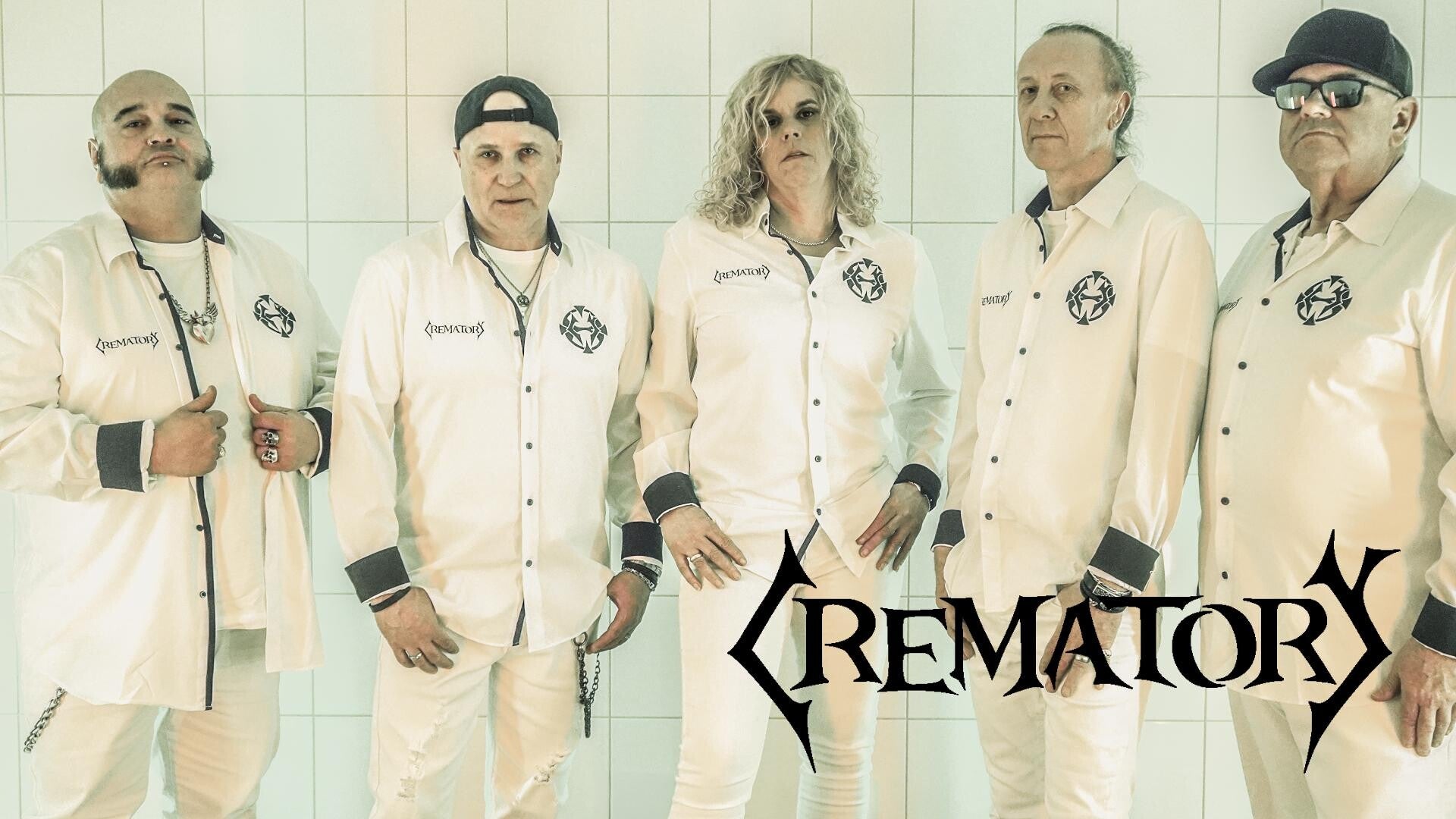
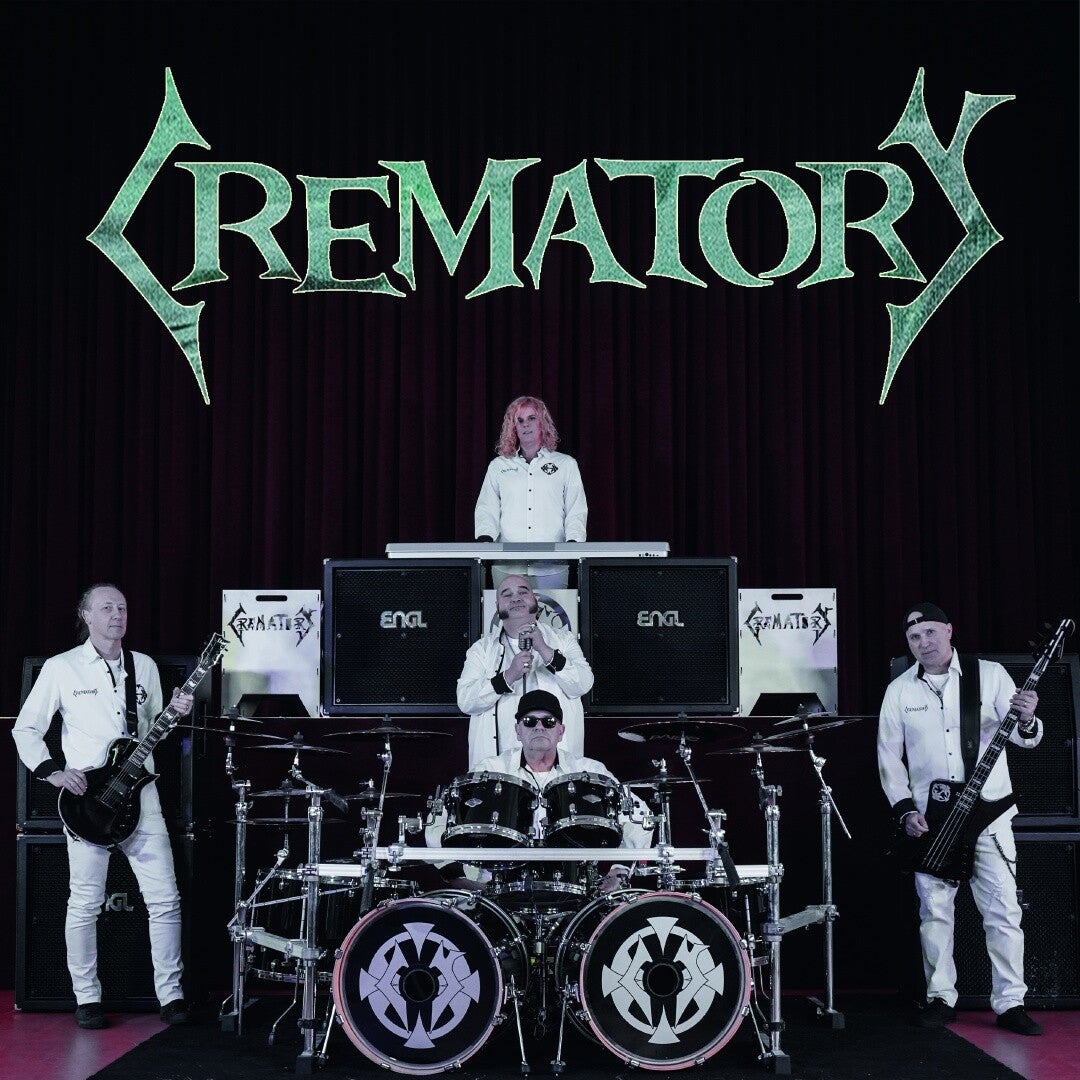
Pain, isolation, mortality, broken relationships and inner conflict appear repeatedly in the lyrics, usually through plain phrases and dark imagery, not through abstract storytelling. The current lineup features Felix Stass on vocals, Rolf Munkes on guitar, Oliver Revilo on bass, Katrin Jüllich on keyboards and samples, and Markus Jüllich on drums and programming. Personnel changes and stylistic turns have marked the years, though the core combination of growls, melody, keyboards and rigid rhythms has remained easy to identify. Crematory’s importance comes from longevity as much as influence. Few German gothic metal names have maintained this level of activity across so many shifts in personnel, production fashion and audience taste, and fewer have built a bilingual catalogue with enough material to justify separate English and German collections.
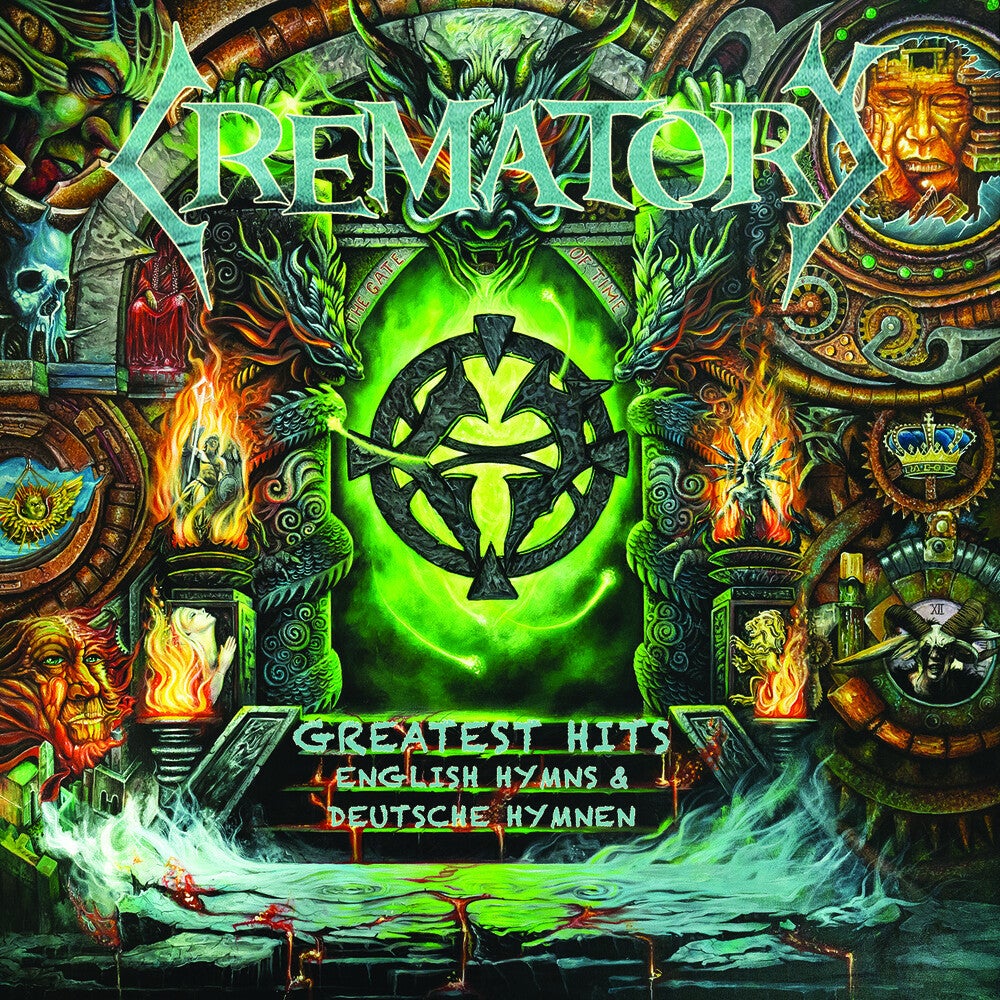
“English Hymns & Deutsche Hymnen” marks thirty five years of Crematory through a three CD set divided into English songs, German songs and the early “Engulfed In Darkness Demo”. Separate neon green and turquoise double vinyl editions split the two main language selections. The format makes sense for a catalogue where language has often altered the character of the songs. The English disc centers on material that established the band outside Germany, placing early staples such as “The Eyes Of Suffering”, “Shadows Of Mine”, “Tears Of

Time” and “Lost In Myself” beside later cuts such as “Inglorious Darkness”, “Destination” and “The Future Is A Lonely Place”. The German disc has a colder, more severe profile, with “Ist Es Wahr”, “Ewigkeit”, “Höllenbrand”, “Kein Liebeslied”, “Tränen Der Zeit” and “Das Letzte Ticket” showing how closely the language locks into the clipped industrial rhythms.
Bonus selections including “Born”, “Wrong Side Of The Mirror”, “Blind” and “Flammenmeer” add extra value without turning the compilation into a disguised new album. As a career overview, this collection is broad, useful and convincing. The early material remains rawer, darker and more rooted in death metal, whereas later songs bring larger choruses, brighter keyboard hooks and a more controlled electronic frame. That contrast exposes uneven production between eras, especially when older tracks sit beside newer mixes, and it also shows the scale of the group’s development.
The guitars often serve the rhythm first, using blunt chord patterns and short melodic figures; the keyboards add the gothic character, and the programming supplies the industrial pulse. Felix Stass remains the defining voice, his growls supplying depth as melodic vocals widen the choruses. The German material often comes across as more severe and less sentimental, whereas the English selections provide the larger hooks. Selection is the main issue with any retrospective, and this set covers the essential phases with enough range to justify its size.
Individual omissions can be disputed across such a large catalogue, though the split language concept gives the package a defined structure. The demo disc matters for anyone interested in the death metal foundation beneath the later gothic and industrial layers. This is a long, detailed survey of a German band whose catalogue contains real variation, recurring emotional themes and several songs that remain effective decades after release. It presents the rough transitions, dated production choices and occasional lyrical simplicity alongside the material that secured Crematory a permanent position in European gothic metal.
|8.0
Add comment
Comments