

Release Date May 29th, 2026
Format Digital
Genre Progressive Metal
Origin England
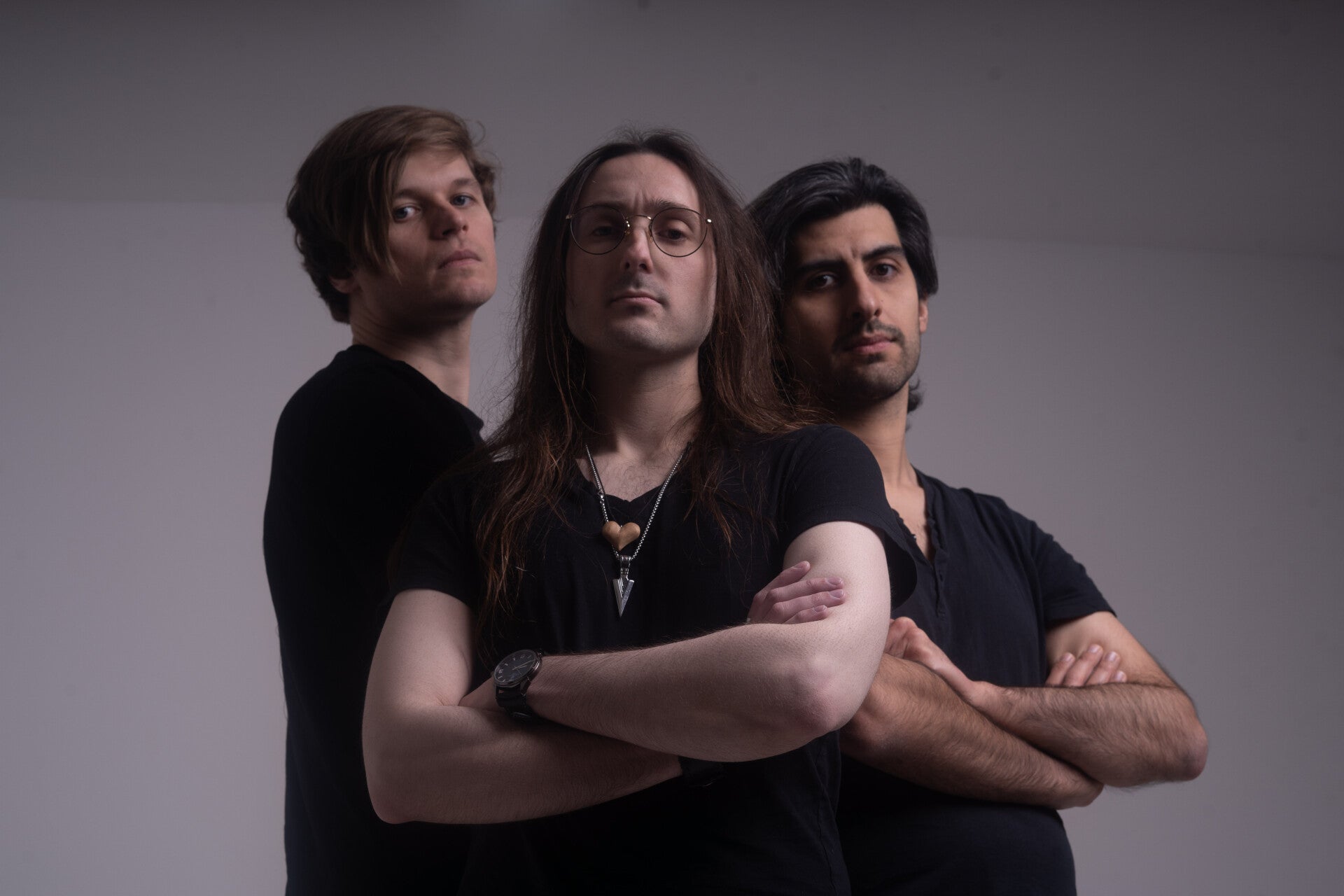
Redshift is a progressive metal trio from Bath, England, formed around Liam Fear on bass, keyboards and lead vocals, Tiago Martins on guitars and backing vocals, and Jack Camp on drums. Their catalogue has followed a concept-album path since the beginning. “Cataclysm”, issued in 2019, framed an alien invasion through survival and collapse, while 2023’s “Laws Of Entropy” turned toward adulthood, uncertainty and the search for meaning in modern life. Across those releases, Redshift built their name on long-form compositions, sudden rhythmic changes, theatrical vocal phrasing and a fusion of progressive metal with jazz, punk and neo-classical colours.
They are not tied to one rigid template. The trio jumps between crooked riffs, open melodic passages, bursts of speed and eccentric vocal lines, often within the same composition. Their music sits near the restless end of modern progressive metal, where songs can mutate several times before returning to an earlier theme. That approach can be thrilling, confusing or irritating within a few minutes, which is part of the point. “Down The Wire” is their third studio album and continues their preference for one connected story across an entire release.
The lineup remains compact, though the album expands its palette through guest brass and keyboards. Redshift’s earlier albums established a taste for ambitious subjects and restless arrangements; this third chapter takes those traits into a future ruled by generated culture, state-approved art and public obedience. It is a natural continuation of the trio’s catalogue, only broader, stranger and more confrontational in its musical choices.
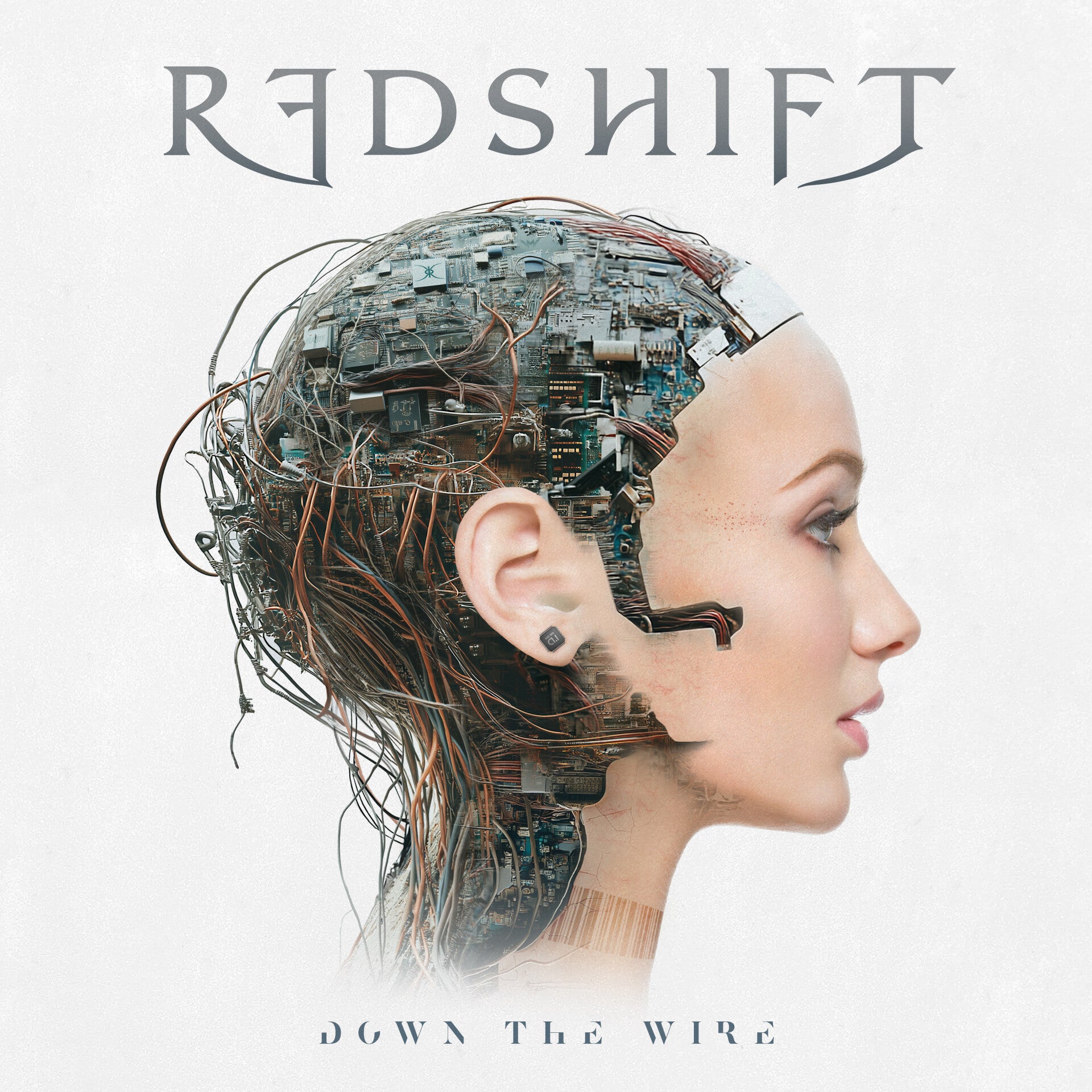
“Down The Wire” runs for six songs and just over fifty minutes, presenting a society where human creativity has been outlawed and machine-generated art is used as propaganda. The central figure begins as an artist resisting that system, then becomes consumed by influence, followers and validation. That arc gives the lyrics more substance than a basic humans-versus-machines plot. The album also attacks vanity, online approval and the way rebellion can become another form of control.

Sessions took place at Axe And Trap Studios in Wells, with Ben Scott Turner handling production and mixing, followed by mastering from Jamie King. The mix separates the rapid drum patterns, distorted guitars, bass lines, keyboards and brass across sections packed with information. Guest trumpet, flugelhorn and keyboard solos add colours rarely heard in this corner of metal. Musically, Redshift throws nearly every available ingredient into the mix. Jagged prog riffs, blast beats, brass, jazz-metal turns, punk energy and eccentric vocal performances.
At its best, the constant motion is exciting and unpredictable. The drums change course at speed, the guitars jump from angular patterns to broader melodic sections, and the bass and keyboards add movement beneath the larger arrangements. Recurring motifs help link the six chapters, giving the concept a musical thread beyond the lyrics. The issue is excess. Several sections pile ideas on top of one another before the previous phrase has fully registered, and the longer songs occasionally resemble a chain of clever parts more than a complete composition. The vocals may also divide the audience; the theatrical delivery adds personality, though certain lines tip into exaggeration and distract from the tension in the lyrics.
There is a lot to process, and the album can become tiring when every transition aims to surprise. “Down The Wire” has enough craft, nerve and range to justify its scale. The concept remains focused, the playing is disciplined, and the production stops the busiest moments from collapsing into noise. Redshift has made an ambitious progressive metal album with real imagination and several gripping passages, alongside moments where restraint would have made the impact deeper. It is demanding for the right reasons and the wrong ones, and that friction defines its character.
|7.5

Add comment
Comments