

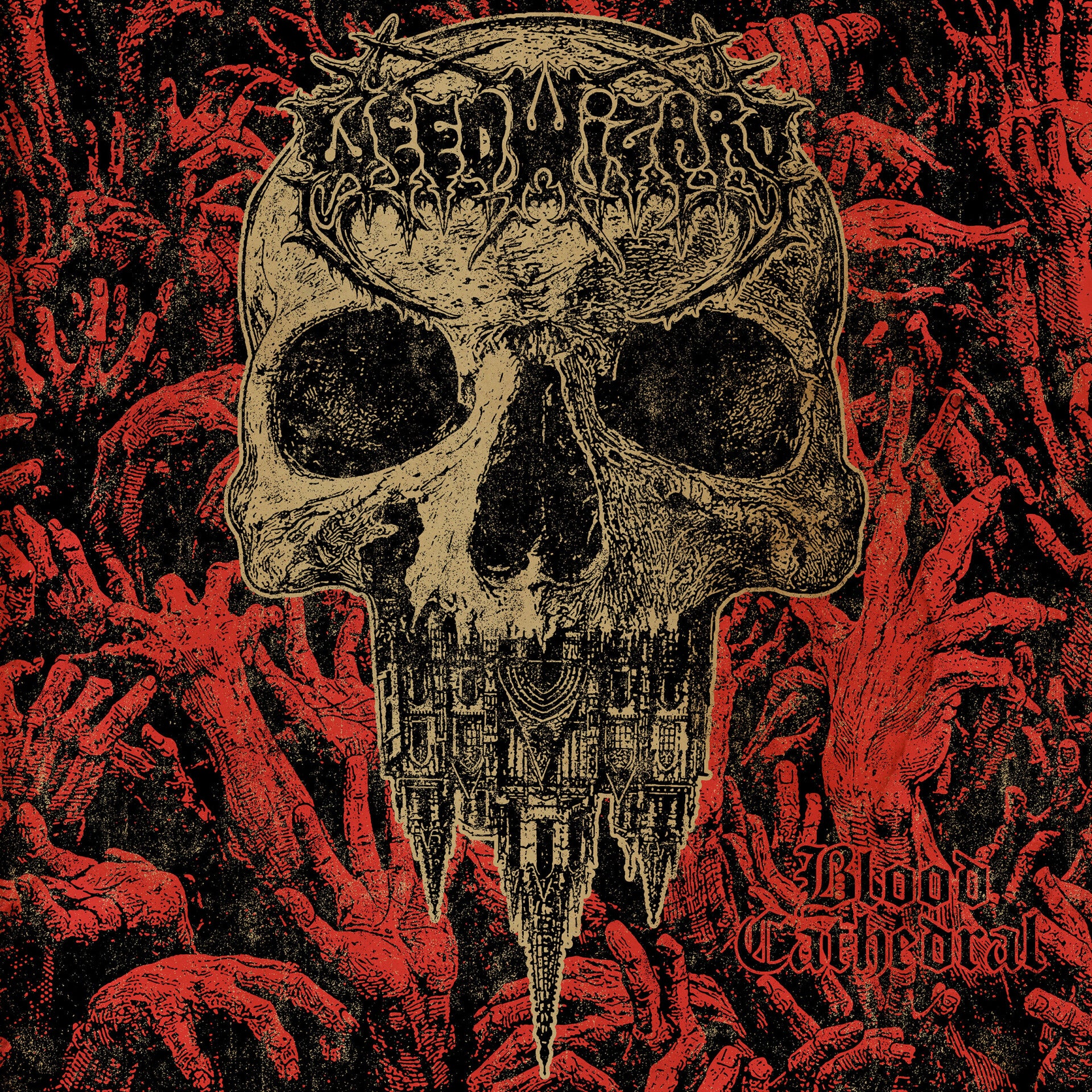
Release Date July 3rd, 2026
Format Digital
Genre Sludge Metal
Origin Germany
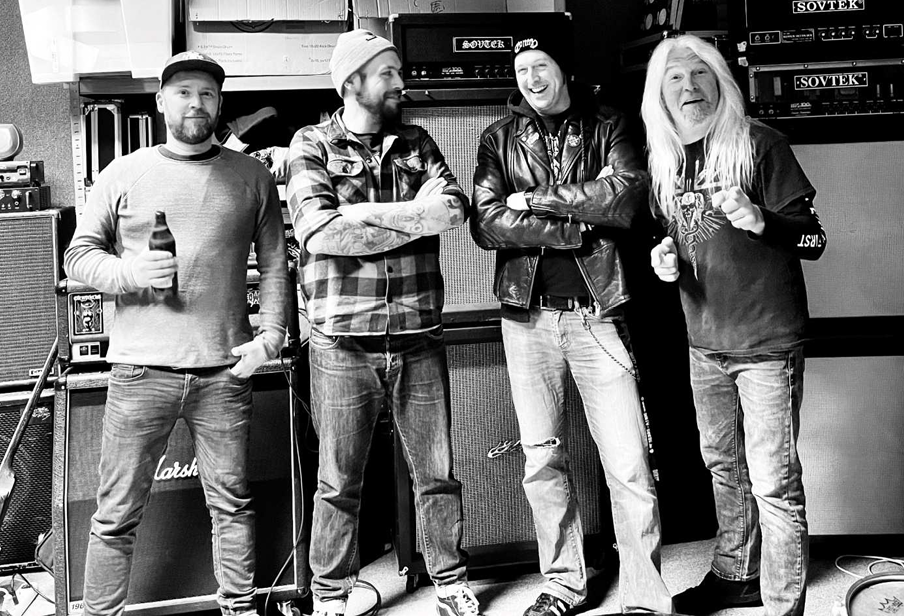
WeedWizard formed in Germany in 2013 and spent its first years carving a blunt mix of stoner-doom and sludge metal. Frank Herbold handles vocals, Flecko and The Dude cover guitar and bass duties, and Christoph Litzinger sits behind the kit. Its path has been deliberate, beginning with the 2018 demo "No Soul To Sell", moving through the 2020 split "Doomed Congregation", and reaching its first full length, "Closed Eyes, Open Mind". The years between those releases did not trigger a drastic stylistic turn. WeedWizard remains tied to low tunings, blown speaker fuzz, dragged tempos and riffs built to grind for minutes at a time.
The band's development appears in its pacing, with firmer endpoints for the jams, earlier hooks and more decisive changes between crawl and stomp. Its subject matter is plainspoken, aimed at fascism, capitalism and organised religion, then balanced with smoking culture and bleak humour. After thirteen years, WeedWizard has reduced its approach to a few hard materials: concrete grievances, heavy amps, long grooves and no interest in dressing doom up as fine art.
"Blood Cathedral" is WeedWizard 's second full length, collecting eight cuts across about three quarters of an hour and revisiting "Down" in a new version. Christoph Litzinger handled engineering, mixing and mastering; the production places guitar fuzz at the front, locks the bass underneath and lets the drums strike with an earthy thud, preserving separation when the distortion swells. Ralf Burkart designed the cover and logo and adds guest vocals to "Trouble A.D." and "Isolation", bringing another throat to the attack without turning either song into a detour.
The writing rotates among crawling doom, blunt sludge and rolling stoner grooves, giving the running order enough motion to escape one unbroken drag of distortion. Frank Herbold's lyrics hit political and religious targets in plain terms; their bluntness belongs beside these riffs, though more imagery could have deepened the anger and made several lines linger longer. Some riffs continue after their point has been made, and the fuzz profile changes little across the album, so parts of the final third blur together.
Elsewhere, the hooks arrive with regularity, the rhythm section makes each tempo change register physically, and the mix retains dirt while letting the bass drum, cymbals and low strings remain distinct. A physical edition is planned for autumn; the digital release already presents a tough, substantial second chapter, marked by effective riff craft, committed vocals and production sturdy enough to stop the sludge collapsing into mud.
|7.5
Add comment
Comments