

You were formed in Gothenburg in 2022, a city with a historically massive metal legacy. How did your local environment and the modern state of the world shape the “black bile and newborn ire” that birthed Lömsk?
We all grew up in a thriving metal environment, both in terms of active bands and the strong support between musicians, especially in Gothenburg. Sweden in general has a solid musical foundation for those who take an interest in it, and that naturally shaped us. At the same time, the current state of the world adds a certain tension and urgency, which feeds into the darker aspects of our sound.
Your music is described as a direct response to a world you see as “rotten and vain.” Can you elaborate on the specific societal vanities or stalemates that act as the primary fuel for your songwriting?
Answering this might risk us being too political, which is something we consciously want to avoid. To still give some kind of answer though: through culture, politics, mainstream media and so on, you’re constantly fed a watered-down rehashing of what was once great art and culture. Very little feels genuinely authentic anymore. “Act I” was framed as a manifestation of “creative destruction.”
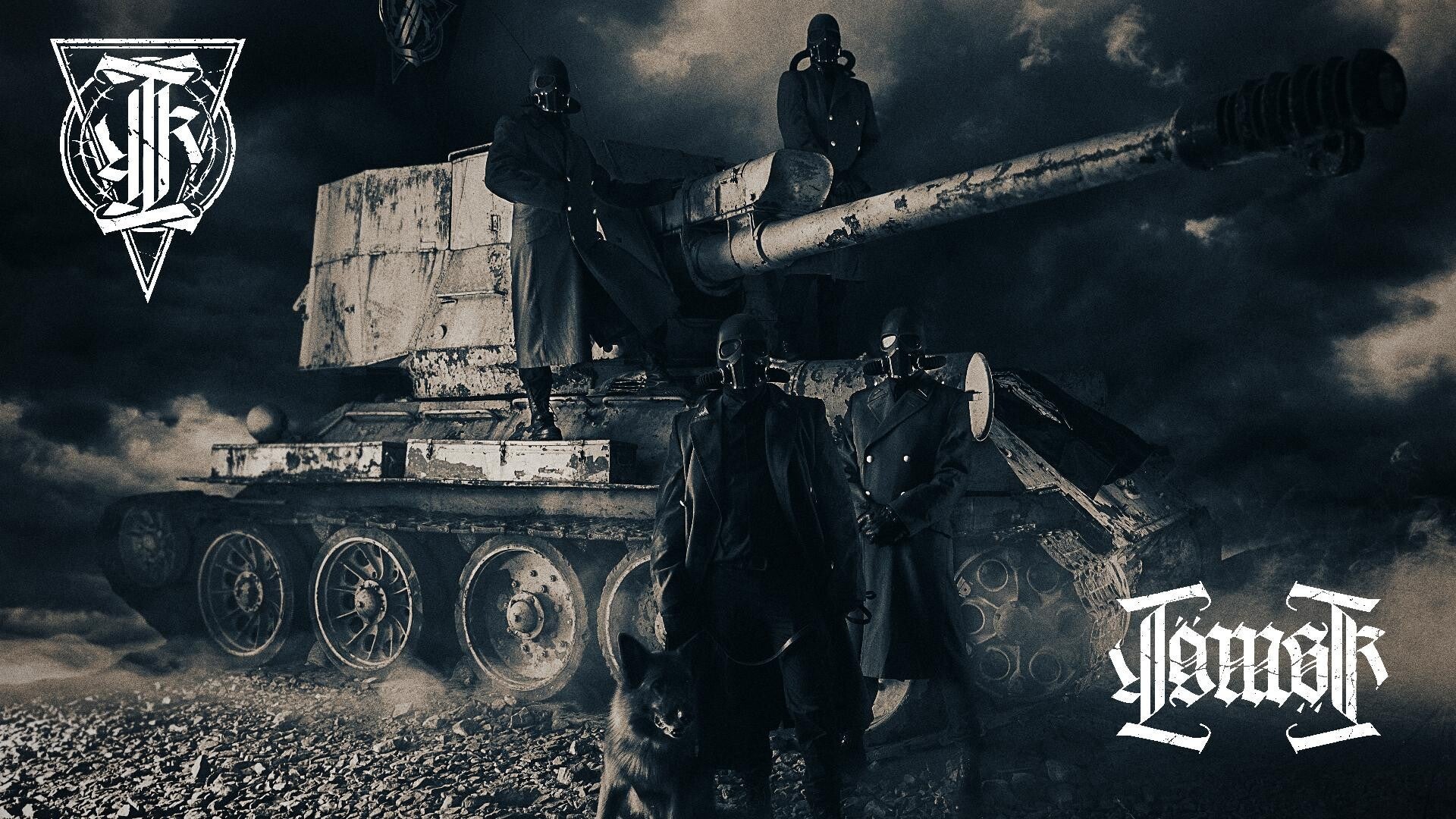
How does “Act II - Of Iron And Blood” conceptually move away from that debut, and what does it mean to dive headlong into “the wreckage left behind?”
We see it more as a continuation, an elaboration on the themes first presented in “Act I.” On a surface level, it’s about going into war and the aftermath of that destruction, but war is really just the canvas on which we reflect on the state of the world, personal experiences, loss, and grief.
You explore a descent into a world choked by ash, describing the new record as 'the sound of Rome burning.' What historical or modern events inspired this specific apocalyptic lens of nihilism and stoic defiance?
We do not write about historical events, war is a metaphor, a powerful image, something thought-provoking and tangible on which we can project other ideas and themes. We are more inspired by philosophy than anything else. Nietzsche, Schopenhauer, Marcus Aurelius, to name a few of the more prominent figures.
All writing, production, recording, and mixing for the new album was handled by Lömsk. How crucial is this DIY approach to maintaining the purity and intensity of your artistic vision?
Doing it ourselves is both a necessity and strength. Since we’re not a big name and haven’t been around that long, we don’t really have the budget for a larger production, and it’s also a fun, though taxing, process. By handling everything ourselves, we gain more control and can be more creative, knowing that time in our own studio only costs us time, not money.
While you handled the recording and mixing yourselves, you brought in Robert Kukla at Obsidian Recording Studios for the mastering. What did Robert add to the final, destructive soundscape of “Act II?”
He’s a very talented mixer, producer, and mastering engineer. He gave us valuable feedback and, like any good mastering engineer, punched up the mixes without colouring them too much. It took the material from sounding good to sounding professional.
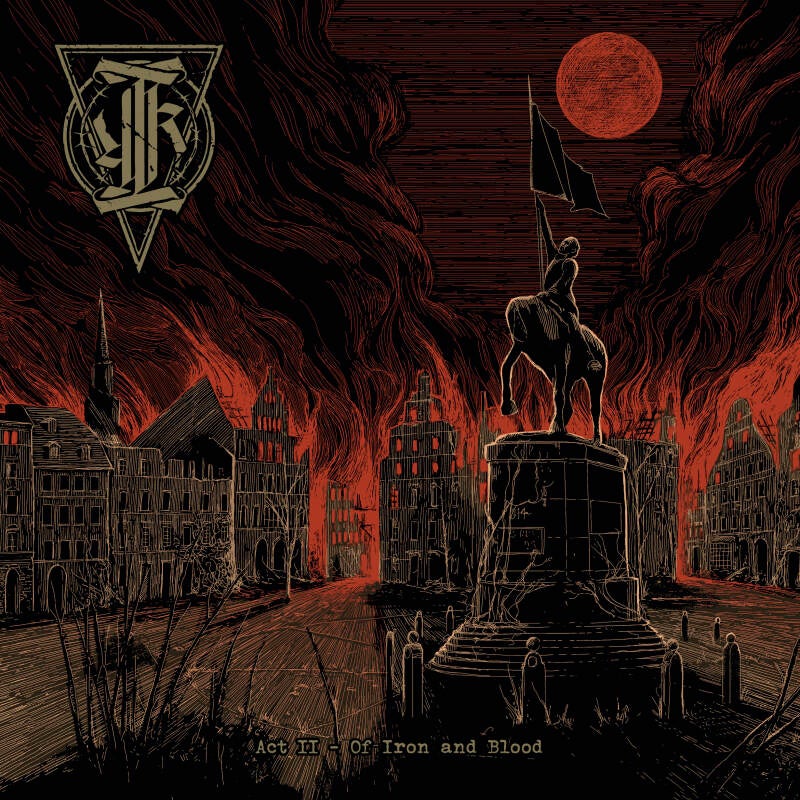
For this release, you collaborated with Misanthropic Art for the cover and Jacob Fredén for the layout. How do the visual components of the album complement the themes of “iron and blood” and “inevitable entropy?"
The visual component is a big part of the experience. We all grew up in a time when you could walk into a record store and choose records based on the visuals, hoping to discover something mind-blowing. Even though that era is mostly gone, we still want to bring some of that experience back and present a well thought-out, cohesive package.
There is a notable difference in the tracklist. “The Gathering Storm” appears on the CD and digital formats but is absent from the vinyl version. Was this strictly due to vinyl runtime constraints, or does the vinyl offer a different thematic pacing?
It was simply due to runtime constraints on vinyl. We’ve used “The Gathering Storm” as a live intro and “The Silence Thereafter” as a live outro almost since the beginning, and we wanted to give them some context while also giving the listener some pauses in between the chaos. But because of those time constraints, we decided to cut it from the vinyl in favour of better and more even sound quality.
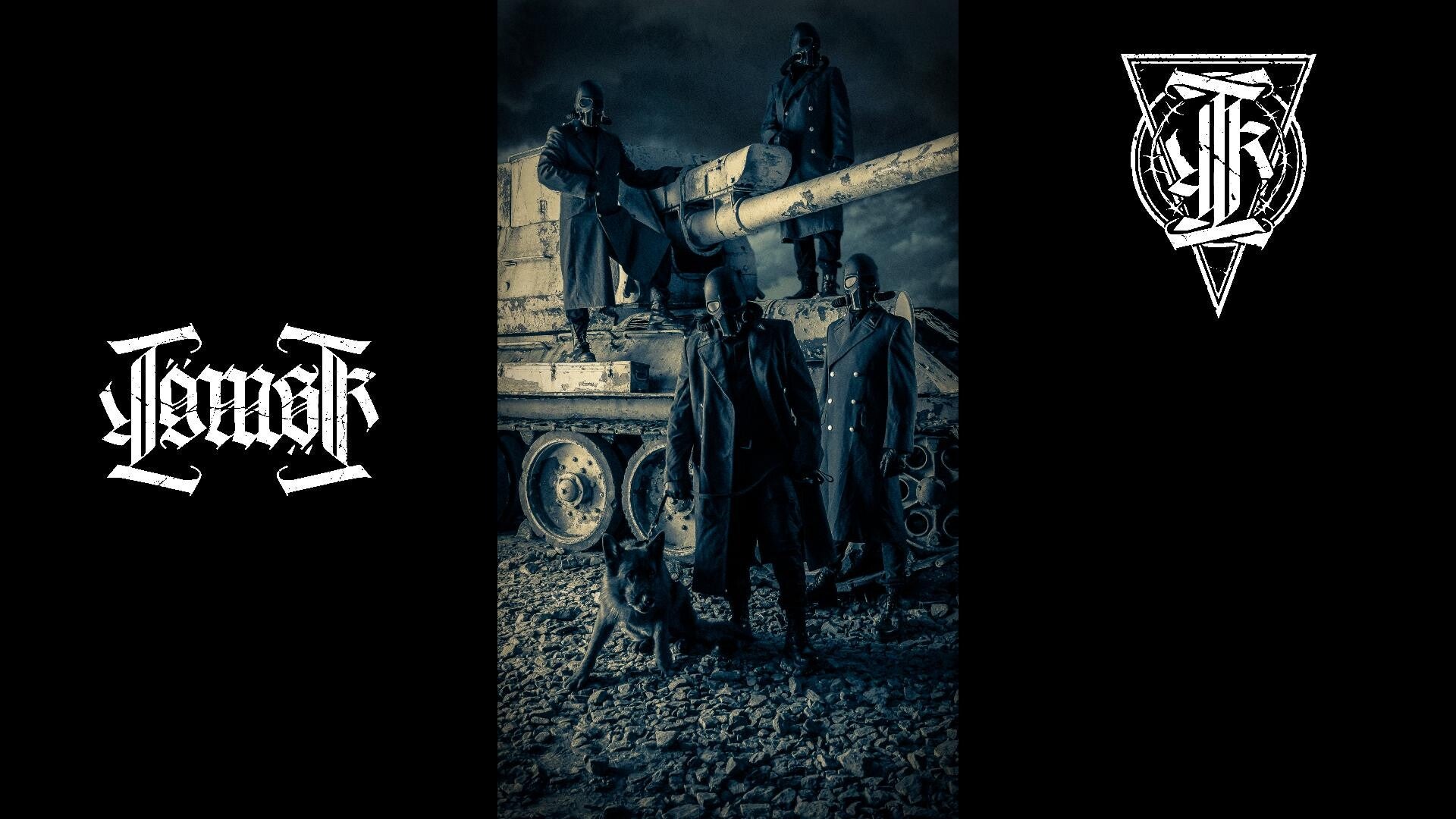
Looking at the tracklist, there seems to be a clear journey from “Fields Of Elysium” through “Entropia” and finally ending with “The Silence Thereafter.” Can you walk us through the conceptual narrative the listener experiences from track one to the finale?
There wasn’t really a narrative in mind from the start, but when we started arranging the songs in order, we noticed there was sort of a soldier’s journey between the lines. From drills and fiery speeches, through the trenches, watching friends die, and finally accepting one’s fate and the horrors one has to endure.
With “Act II - Of Iron And Blood” being released via Vendetta Records, the info sheet warns listeners to “brace yourselves for the upheaval to come.” How do you plan to translate this “prayer of violence” to your fans, can we expect live rituals to accompany the release?
Our live shows are very dramatic and atmospheric, and we are constantly thinking about how to evolve them. We want to bring the audience into another world, to be captured both by the visuals and the music.


Add comment
Comments