

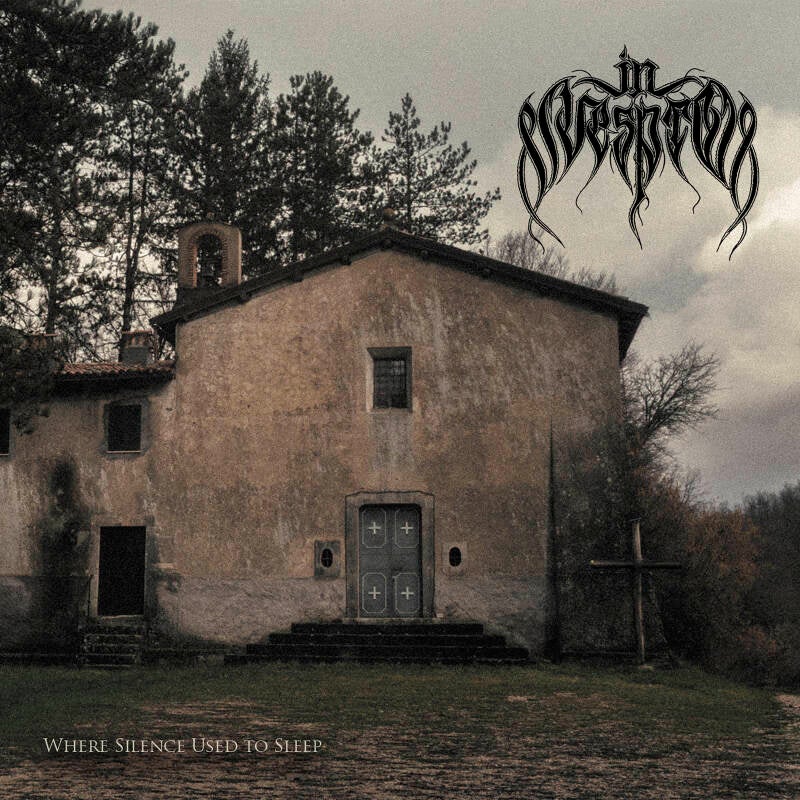
"Where Silence Used To Sleep" represents the first full-length marker for In Vespro since coming together in 2025. How did the specific musical background of the members shape the direction of this debut during the initial writing stages?
Luca: In Vespro essentially began as a personal creative vision. I wrote the entire album before the band was fully established, so the musical direction was already very clear from the beginning. Over the years, I've played and written in different areas of extreme metal, but with “Where Silence Used To Sleep” I wanted to focus on something far more introspective and emotionally immersive. My intention wasn't to create a modern reinterpretation of doom/death metal, nor a nostalgic tribute to the past. I wanted to capture a specific feeling of stillness, absence and gradual dissolution. The early works of bands like Katatonia and Anathema were certainly important references, but more than the sound itself, I was inspired by their ability to create atmosphere through simplicity and repetition.
What challenges arose when structuring the compositions to maintain that specific level of atmospheric stagnation?
Luca: To be honest, I wouldn't say there were any particular challenges or conscious efforts involved in that aspect of the writing process. The atmosphere you hear on the album wasn't the result of forcing the songs into a specific formula; it emerged quite naturally from the ideas themselves. From the very beginning, I had a clear vision of the emotional space I wanted to explore, and the music seemed to follow that direction almost instinctively.
The compositions simply developed according to their own internal logic. Repetition, slow pacing and subtle variations felt like the most honest way to express the moods I was trying to convey. Rather than constructing the songs around a concept, I allowed them to evolve organically, and that sense of suspension became a natural consequence of the writing process. Looking back, the album feels less like something I deliberately shaped and more like something I gradually uncovered.
The guitar work relies heavily on cyclical riffs and slow tempos reminiscent of the early 1990s European doom-death tradition. How did you balance that old-school inspiration with a modern sonic execution in the rehearsal room?
Luca: The inspiration definitely comes from the early days of Katatonia and Anathema, but I never wanted In Vespro to sound like a nostalgic tribute. The writing process was rooted in those classic approaches to repetition and atmosphere, but the way I recorded and arranged the material was much more contemporary. I paid close attention to space, layering and tonal clarity. The riffs themselves could have existed thirty years ago, but the way they breathe within the mix belongs to the present.
The lyrics use images like ashes, fading light, oceans, and dust. Did these images come first, or did they grow from the music?
Emanuela: They grew naturally from the music. When the songs started taking shape, they already suggested a certain landscape, something blurred, distant and slowly dissolving. The imagery wasn’t planned beforehand. It emerged almost unconsciously while writing. Those recurring symbols became a way of expressing absence and erosion without having to describe them directly.
The album was mixed and mastered at Mørknatt Studio by you, Luca. What was the main goal for the production sound?
Luca: I wanted the production to feel immersive rather than aggressive. The goal was to create the sensation of being surrounded by the music rather than confronted by it. I avoided overly polished sounds, but also didn’t want the rawness often associated with old-school productions. The mix had to preserve depth and atmosphere while allowing every layer to contribute to the overall feeling of suspension and decay.
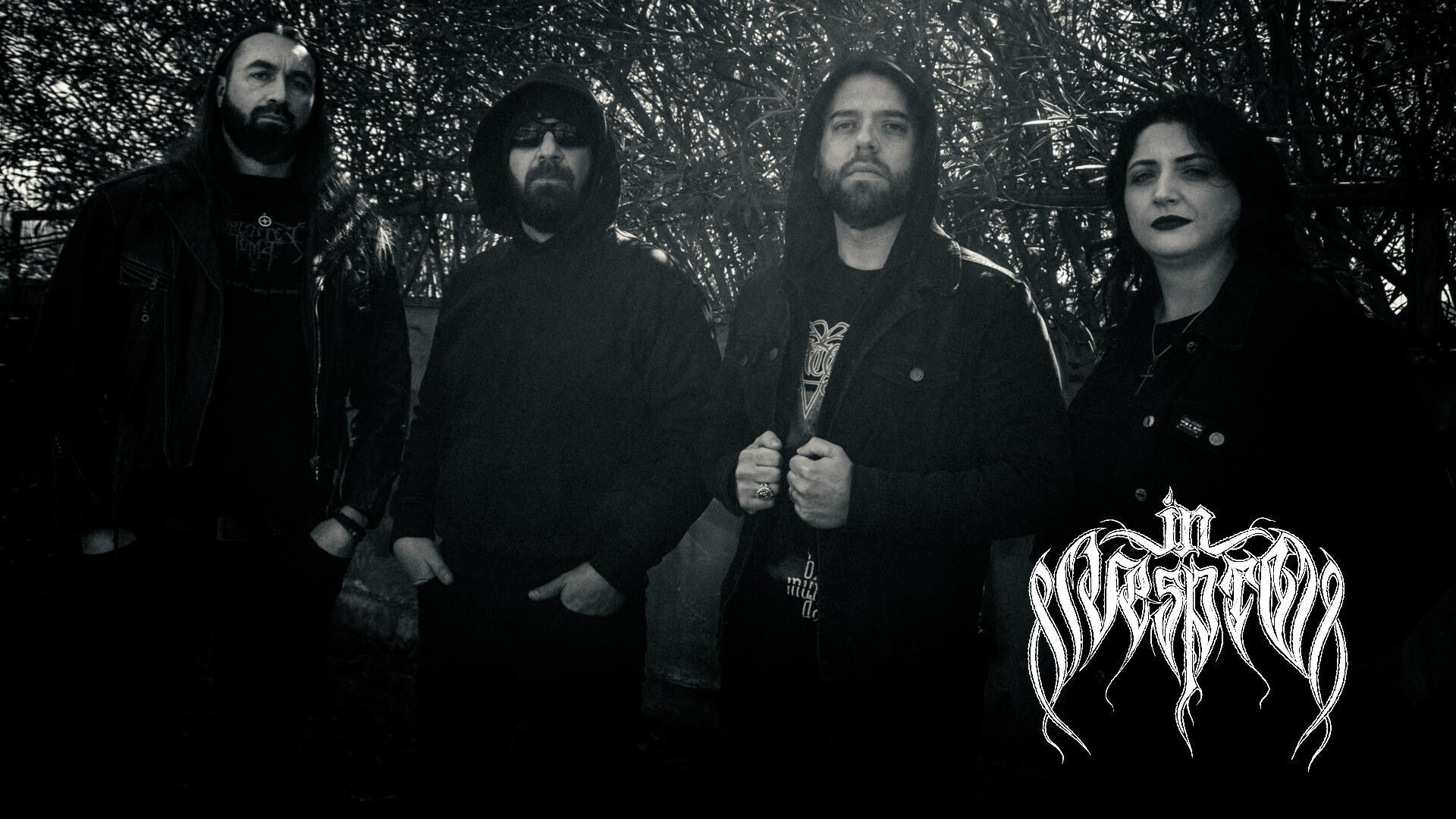
"I wanted the listener to feel trapped inside a slowly changing emotional landscape where there is no clear beginning or end. The absence of catharsis is part of the message. Some experiences don’t resolve themselves; they simply fade."
The band includes members from Svart Vinter, Veil Of Conspiracy, and Handful Of Hate. How did those past experiences shape the identity of In Vespro as a full band?
Luca: I think those experiences mainly helped create a mutual understanding among the people involved. Everyone came into In Vespro with years of experience in extreme metal, which meant there was no need to spend time defining basic musical principles or trying to establish a common language. We all understood the kind of atmosphere the music required and, more importantly, the value of restraint in serving that atmosphere.
Doom-death metal thrives on a sense of isolation. With the current global climate feeling increasingly fractured and disconnected in 2026, how much does the outside world influence the bleak tone of your music?
Emanuela: The album isn’t a commentary on current events, yet it was written in a world where disconnection, uncertainty and emotional exhaustion seem increasingly common. Those feelings become part of the atmosphere we absorb as individuals. Rather than reflecting specific events, the music reflects a state of mind that many people seem to recognize today.
The music deliberately avoids standard structures, big climaxes, or easy resolutions. Why is it important for the band to reject typical heavy metal dynamics in favor of a flat, continuous experience?
Luca: Because the album isn’t built around individual songs, it’s built around a condition. Traditional dynamics create a sense of progression and resolution. We were more interested in suspension. I wanted the listener to feel trapped inside a slowly changing emotional landscape where there is no clear beginning or end. The absence of catharsis is part of the message. Some experiences don’t resolve themselves; they simply fade.
As said, your music channels to early Katatonia and Anathema. Which albums or periods gave the band the first spark for this path?
Luca: Albums like “Brave Murder Day”, “Dance Of December Souls”, “Serenades” and “The Silent Enigma” were fundamental. What inspired me wasn’t just the heaviness, but the vulnerability hidden beneath it. Those records showed that extreme music could be devastating without relying on speed or aggression. They created atmosphere through repetition, melancholy and restraint, and that’s something I’ve always admired.
After "Where Silence Used To Sleep", where does In Vespro go next? Deeper into the same void, or toward a different form of darkness?
Emanuela: It’s still too early to know exactly where the next chapter will lead, but we’re not interested in repeating ourselves. The core identity of the band will remain rooted in atmosphere and introspection. Whether that means becoming darker, more fragile, or more abstract, we’ll discover it naturally through the writing process.
Now that "Where Silence Used To Sleep" is set for release via Meuse Music Records, what is the next step for In Vespro bringing this album on stage?
Luca: The immediate goal is to bring the album into a live setting without losing its immersive nature. We’re currently discussing live opportunities and hope to start presenting the album on stage in the near future. The record was conceived as an experience, and we’d like the concerts to feel the same way.

Add comment
Comments