

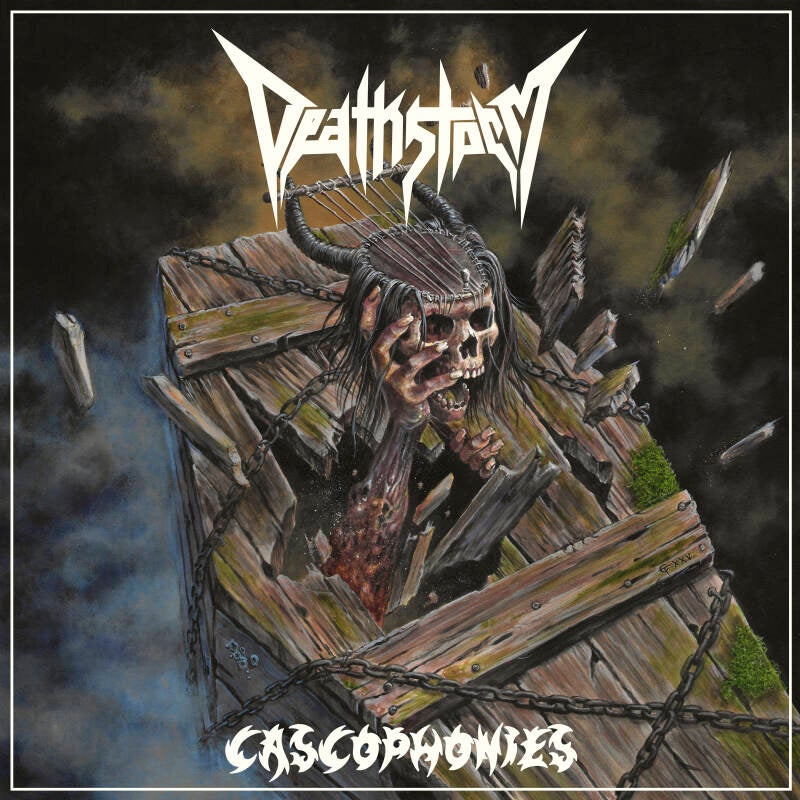
After such a long gap between albums, what pushed Deathstorm back into writing “Cascophonies”? How does it feel to finally unleash this beast upon the metal underground?
We just felt like writing new songs again and putting something out there. A lot has been going on outside the band in recent years, which is why it took a little longer this time since our last album. Although we did release the short demo “Swarming” in the meantime. It feels really good. This time, we did all the recording ourselves. That made it a bit more intense because we had to handle that part too. But we’re extremely happy with the result, and the album sounds exactly the way we wanted it to.
The title "Cascophonies" suggests a certain level of auditory derangement. How does the lyrical content of the album reflect this idea of twisted sound or mental strain?
Theres no connection to the aspects of sound, but there of course is one when it comes to mental aspects. The focus mostly lies on human depravity and sometimes also its consequences.
You have been flying the flag of hate since 2010. What keeps the fire for old-school death/thrash burning so bright within the band after all these years?
I think it’s simply that we love this music. We’ve known each other forever, ever since school, and we grew up with music together, learned to play instruments together, and started the band. It’s just part of who we are.
Did the writing process for this album differ from previous Deathstorm releases?
Not really, except maybe that this time we wrote a bit more in advance and the ideas were already more concrete. But just like with the other albums, we got together in the rehearsal room with the ideas and song drafts and then worked out the songs in full. Another difference might be that this time we wanted to strip away all the unnecessary ballast and make an album that maintains high energy and aggression throughout.
The album clocks in at 29 minutes. Do you feel that brevity is essential for maintaining the high-intensity impact of your style?
In our opinion, yes, at least as far as our band is concerned. There may be bands where the intensity never drops, even on longer albums, but that’s extremely rare.
The new material seems to embrace more complex structures. Was there a conscious effort to make the riffs more "twisted" this time around?
Not on purpose, or at least not more so than on other albums. Our songs have always been very versatile and dynamic, especially when it comes to tempo changes. (Even if people often don’t notice that and call it simple) That’s just our style, which has evolved over time. Actually, we wanted to make the songs shorter and focus on the essentials.
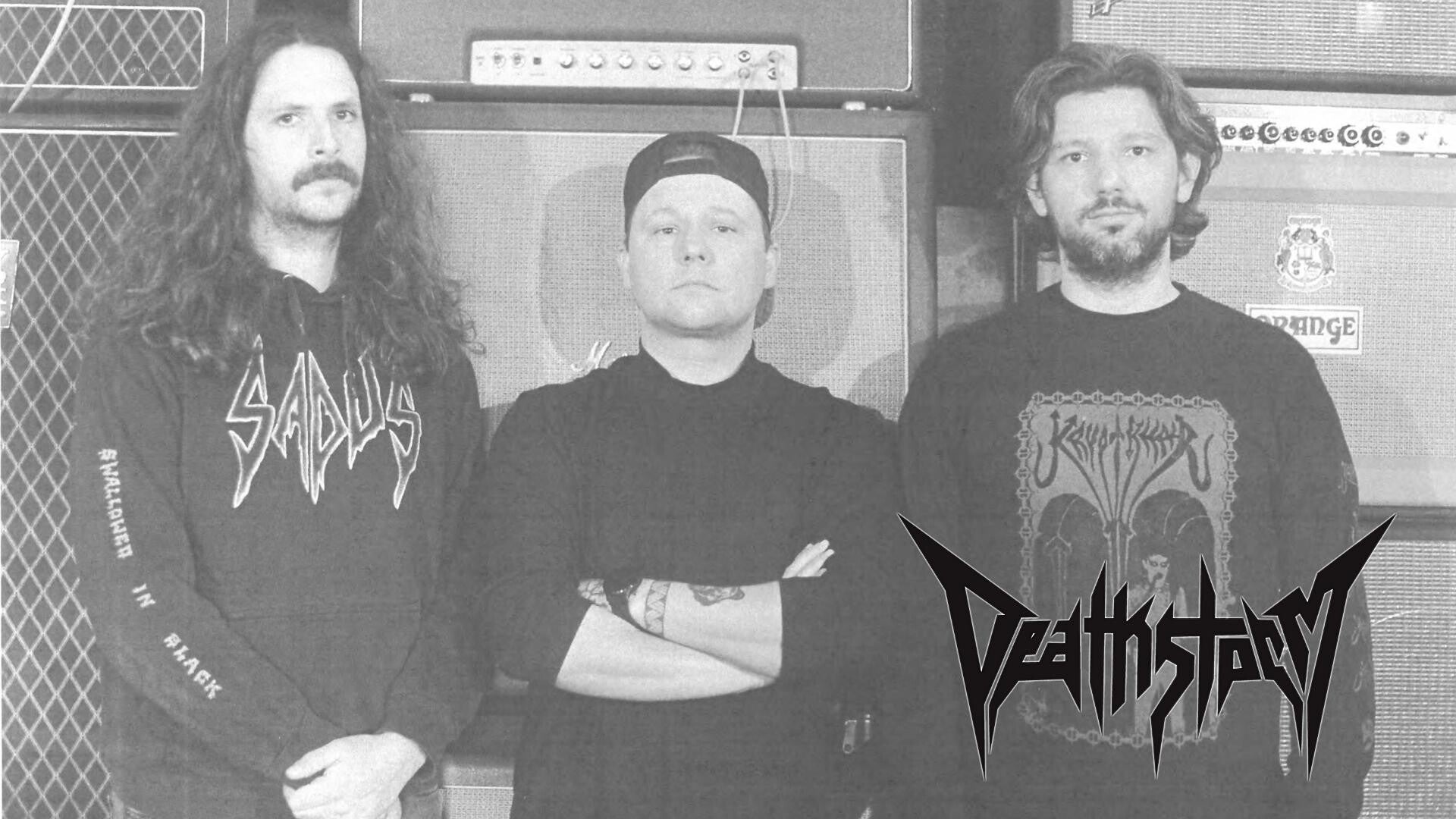
"We don’t like the overproduced sound of many albums these days, especially because real instruments don’t sound like that at all."
Deathstorm has worked with different labels through the years. What made Dying Victims Productions the right place for this album?
Having a personal connection with Flo was the deciding factor. We wanted to work with somebody we know in person. That wasn’t the case with the other labels.
There is a strong late ‘80s spirit throughout the album. Which records still hit hard for Deathstorm today?
80s records? Still the same as 20 years ago, German thrash, the more extreme bands from the US like Sadus or Morbid Saint as well as South American groups like Pentagram and early Sepultura.
When you were in the studio for "Cascophonies", what was the primary goal for the guitar and drum tones to ensure they sounded as sharp as possible?
As mentioned, we handled the recording ourselves this time and really dove deep into it. That gave us more time and flexibility to make it sound exactly the way we wanted. We absolutely wanted the guitars to be as crunchy as possible, like “Disturbing The Noise” by Attomica (we’ve always loved that sound) and, as funny as it sounds, like the old AC/DC albums. There’s nothing better than hearing someone really digging into the strings. With the drums, we really wanted them to sound natural but at the same time have punch and really crack. The snare drum was especially important to us here, we wanted it to really hit hard.
Thrash metal is often fueled by societal or internal rot. What are the primary themes or "horrors" that Deathstorm explores on this new record?
Mental issues, the duality of life/death, good/evil, sanity/insanity, true crime but also fictitious stuff that’s been totally made up.
The production sounds organic and aggressive without becoming too polished. What was important for the band when shaping the final sound?
Yes, absolutely, that describes exactly how we wanted it to sound. We don’t like the overproduced sound of many albums these days, especially because real instruments don’t sound like that at all. We love the sound of old albums from the ’70s and ’80s, where everything still sounds more like it would live. We also had the album mixed and mastered locally. That made communication much easier and less stressful, which meant it turned out much more the way we wanted. Julian Jauk (mixing) and Bernd Heinrauch (mastering) did a really great job.
Now that the album is ready for release, what can the fans expect from Deathstorm when you take these new songs to the stage?
Loud music played aggressively.
Add comment
Comments