

"Apocalyptic Steel" spent many years unfinished before its final release. How different is your connection to the album now compared to when it was first recorded in 2014? How does it feel to finally see these recordings reach the public after twelve years?
First off, I like the album. I am mentioning this, because it is not always the case with my albums. When I write record and mix my own albums, I never know if I will like the final result. Only once it's finished, and when I had time to distance myself from the emotional themes of the album and the stressful recording process, I know whether I like it after listening to it. Or not. Not all of my albums sound like the metal I would listen to privately. Take my album “Era Of Threnody”, for example. While the album had to sound exactly the way it does in order to fulfill the task of expressing and processing the themes it explores in its poetry, the black metal style is not necessarily one that I am drawn to. To put it into perspective, I like old-style, demo-quality black metal. However, when I listen to the album, which I do occasionally, I understand why it has to sound the way it does, and I can appreciate its emotional depth. I deeply like the present album, on the other hand. In the beginning of the writing process of the album, in 2014, I felt the songs were different from what I had usually done, and I saw potential in some of the songs. Initially, the album concept didn't delve into deeper meanings or an overarching philosophical concept. Rather, it had a straightforward metal, balls-to-the-wall idea. However, when I finished the album and listened to it, it felt like it closed a gap or built a bridge to a time when I was just a metal-listening teenager or early twentysomething. It was similar to when I listened to a variety of genres and bands without bias, judgment, or hardened ideals, as happened when I delved into black metal and was completely consumed by it. It was a time when my friend Charoon and I lived in the same apartment, a metal haven, if you will, with no worries but to live and enjoy metal. All that changed when I started listening to and preaching black metal. I denied my metal past because anything outside of black metal was considered degenerate, worthless, and inferior to BM itself. Conceptualizing some of the lyrics for that album and composing the songs the way they are, as well as the tribute spirit of the album's artwork and particular elements of the songs on that album, helped me reconnect with that early time in my life and the memories I have of it. I also reconnected with Charoon in some ways because we lost touch due to my isolation in the world of black metal. Up until January 2025, when I had to write the lyrics for the album, I didn't have a clear concept for it. While writing the lyrics, I developed a concept that ultimately gave direction to the songs and the album. The process of recycling, mixing, and finalizing the recording tracks of the individual songs often completely changed them. Strong songs moved into the background, and weaker songs suddenly stood out. I often completely changed the order of a song's riffs and fillings, making it completely different from its original recorded state.
The recording sessions happened across different years and locations. Did that fragmented process change the final character of the album?
It's reasonable to assume that this situation affected the album, but I can't pinpoint exactly how. The recording quality would have been better if I had recorded and mixed it all in one studio over a shorter period of time. Emotionally too, probably. I was going through a difficult time in my life when I recorded it in 2014. In fact, it's the situation I describe in my album, “Era Of Threnody”. I was mentally checked out, a nomad on many continents and far from my best self. When I returned home to Germany, I didn't care much about the tracks we had recorded. The other album, “Era Of Threnody”, was being recorded simultaneously and was progressing faster, so I focused on that one. After the release of “Era Of Threnody”, I travelled and lived in the USA, which was a completely different adventure. Finishing the album wasn't on my radar. Then, under heavy pressure from my label, I had to finish it. I turned off the engine of my truck and got on a plane to Germany to finish it. By that time, I had ruined my life again and was in a similar state of mind to that in 2014. Emotionally, there are therefore similarities between its origin and its completion. I'm not sure, though, how this might have affected the album.
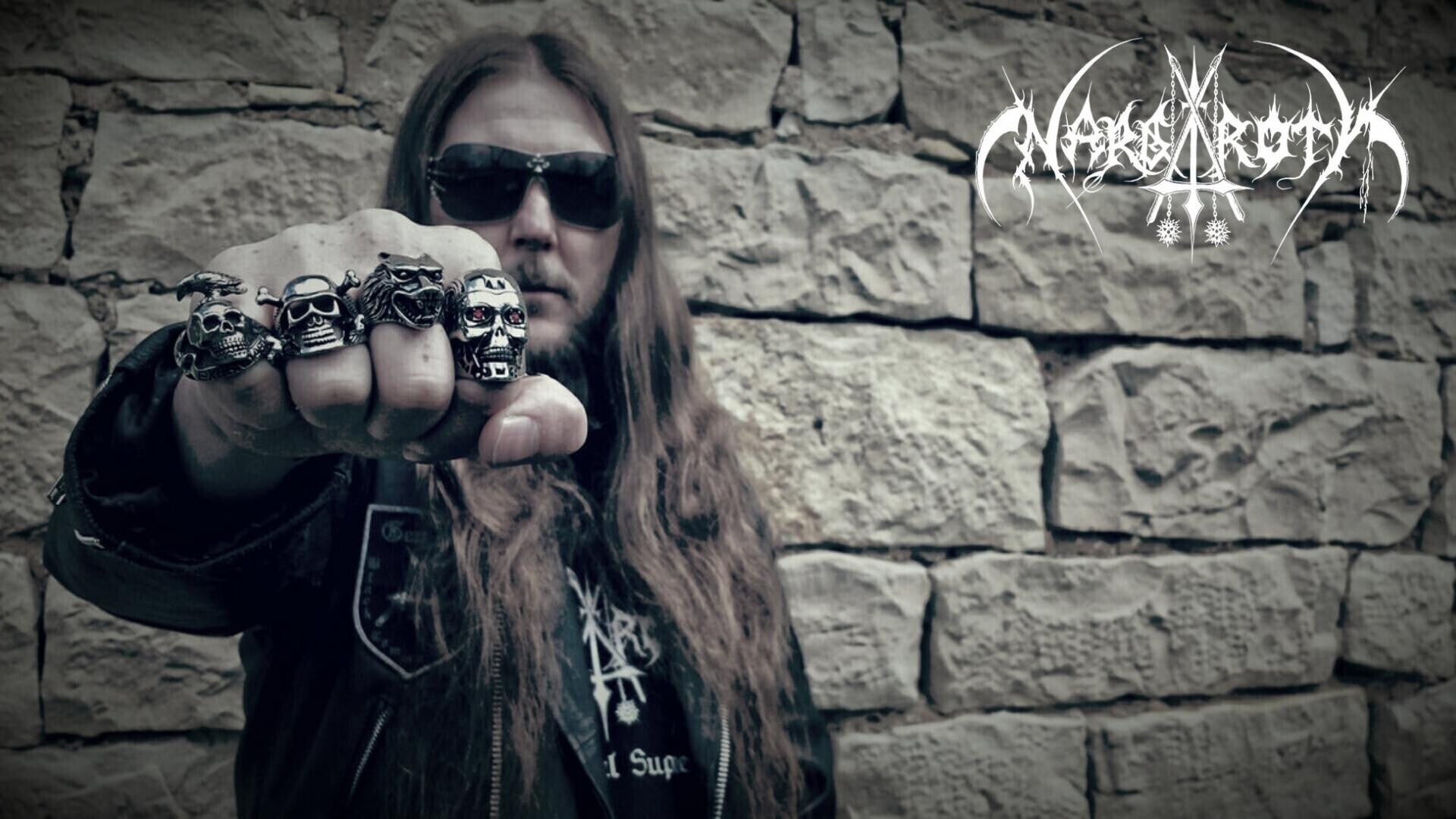
"I reached a point where I was appalled by anything serious in metal. Personally, I never turned to metal music for salvation or guidance. If anything, it was a soundtrack to my woes or a distraction from pain. The older I get, the less I look outside myself for answers."
The album has a strong heavy metal spirit alongside the black metal roots. Was that direction planned from the beginning or did it happen naturally during songwriting? What does traditional heavy metal still mean to Nargaroth?
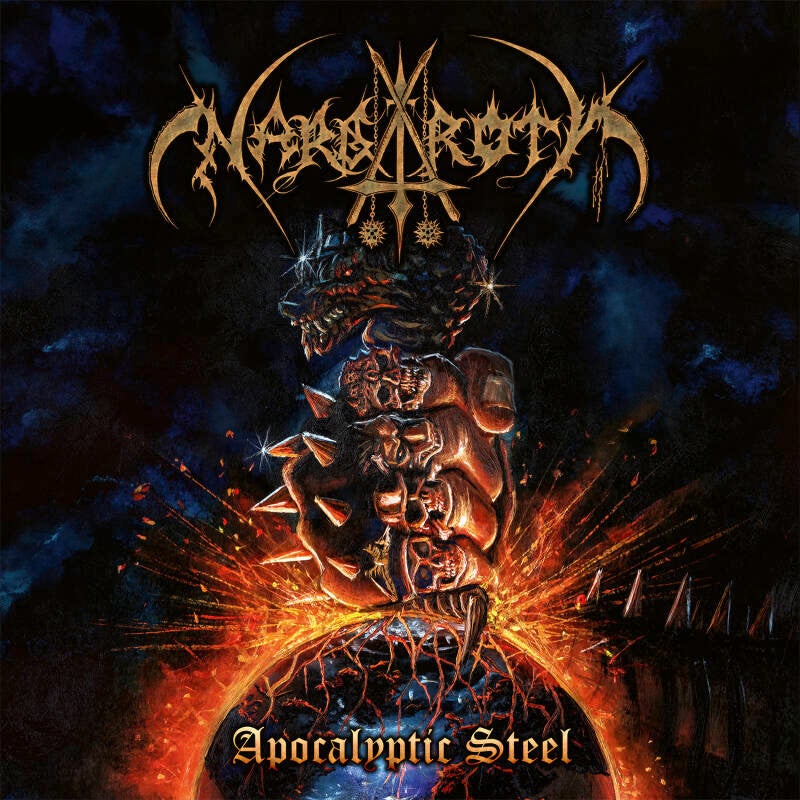
I wanted to pay humble tribute to the bands that either introduced me to metal or shaped my affinity for it in the early days. The whole album is a tribute, full of obvious or hidden references and homages. This can be seen in the graphic design of the cover (Judas Priest), or in the black metal adaptations of classic metal album covers in the booklet, such as those by Judas Priest, Slayer and Accept. The sound and compositions of the songs also contain characteristics of classic metal songs. For example, “Twisted Steel” is my tribute to Deicide, and I think you can clearly hear that in the middle of the song, after the spoken monologue, because I incorporated some Deicide elements into my song. The end riff of “Shelter The Faithless” is my nod to Belphegor. And “Metalheart” is an overall tribute to many bands. The song title itself is an homage to Accept, and the lyrics are full of band names, allegories, and hints about other bands. To me, it had to have an overall metal attitude. The essence of my latest album is best described as full-on metal. I originally intended to do something different lyrically. However, when I started creating the vocals, I ended up addressing current issues. As I've said in other interviews, I wanted to make a straightforward metal album. There were no deeper insights or philosophical approaches. I only partially succeeded. About three songs reflect my personal struggles, how I overcame these hardships and my thoughts on the matter. For the most part, though, it is a tribute to all the bands that sparked my passion for metal a long time ago. Most of the songs on this new album are pure metal with profane lyrics. However, songs such as “I Drink Alone”, “Dresden”, “Requiem Germania” and “Man Of Mayhem” touch on personal struggles, inner battles and the duality that everyone faces. I want the freedom to create songs that, for want of a better word, are dull. Songs without deeper meaning. Songs that don't claim to be educational, profound, or sophisticated. Over the last ten years, there has been an increase in 'mature' black metal. Cryptic, philosophical and elite. Some have actually succeeded. Many just spouted headlines and pretended to be something they're not. I reached a point where I was appalled by anything serious in metal. Personally, I never turned to metal music for salvation or guidance. If anything, it was a soundtrack to my woes or a distraction from pain. The older I get, the less I look outside myself for answers.
As already mentioned, this album takes on a rather pure metal approach. This is exactly where opinions on this album will diverge, if they haven't already done so simply because it's a Nargaroth album. It's simply not a profound, philosophical album in the broadest sense. Of course, certain songs once again feature the intertwining of my personal life, with its recurring tragedies and struggles that is typical of Nargaroth. This plays a major role in fostering a strong Nargaroth fanbase, as fans can relate to and identify with it. However, this album makes no deeper claims and offers nothing of the sort. It is, with a few minor exceptions,a pure metal album. And therein lies a challenge for the average Nargaroth fan or black metal enthusiast, because it is a distinctive, perhaps even regrettable or significant trait of the black metal enthusiast that he is not a metalhead or a versatile metal fan. You can view this as good or bad, or simply ignore it. After all, in the end, this is definitely a key reason why black metal is so unique and stubborn. However, since this album builds a bridge to my early days in metal, this identity-based intolerance or elitist narrow-mindedness is absent here. As I said, one of the distinctive features of black metal is that its audience does not consist primarily of metalheads. Many black metal fans listen exclusively to black metal and previously had little or no exposure to other metal genres. And while the older generation was still exposed to a wider range of metal genres, and the term "black metal" was neither widely recognized as a musical style nor established as a label or ideology, the newer generations encountered an already established, developed, and ideologically diverse black metal cosmos with its own rules that set it apart from the rest of the metal community, a culture featuring an abundance of bands, discographies, and a glut of events that older generations of metalheads could not access.
Even the self-proclaimed or much-cited forefathers and pioneers of ideological black metal listened to a wide variety of metal subgenres and corresponding bands before forming their own worldview, even if they later rejected, devalued, and ostracized them. And I say this without any negative connotations whatsoever! I did the same thing, and this element of intolerance and separation is a vital part of the black metal phenomenon, it's what made it interesting to me in the first place and turned it into my refuge. So while older generations of metal fans had to keep up with the times and grew alongside metal and its evolution, many members of today's black metal generation were introduced to black metal directly through their parents, older siblings, "that" weird uncle in the family or their peer group. Very few of today's black metal fans have come to black metal via major musical detours or a background in metal music, although such an audience from outside the genre does exist. Often, they haven't listened to any other metal styles and, to put it bluntly, have made a seamless transition from children's music to black metal. Throughout my career, (black metal) parents have introduced me to their five- or six-year-old, leather-clad children who could recite entire Nargaroth lyrics. Such a generation may well grow up extremely fixated on black metal and in isolation, forming a unique ideology and approach to albums based on these circumstances.
Within the black metal scene, there are people who listen exclusively to black metal. Then there's the next level: people who listen only to one or a few specific subgenres within black metal and consider only those to be legitimate, be it raw black metal, depressive black metal, Norwegian black metal, and so on. The most radical faction consists of people who listen only to certain bands or a single band and categorically reject everything else. I myself belonged to the latter two groups. For me, only demo-quality black metal was "true," and even within that category, only certain bands. Nothing else. Given the background of the kind of audience Nargaroth typically listened to, it's more than understandable that the core fanbase can't quite get on board with this latest album, precisely because of the dynamics within the scene described above and the unique characteristics of this particular album. But the fact is also this: Just because I made an album like this or designed a cover like this doesn't mean things will always continue this way. I wanted to do it this way, and that's exactly what I did. With that, this chapter in my creative work is closed. Everything that comes after will be different again, just like everything before. So, whether you like the new album or not will depend on your background with metal. If you're a fan of traditional Nargaroth music, you won't find any comfort in it. However, if you're a fan of Nargaroth's lyrics, you might relate to some of the songs. If you're a metalhead with a broader mentality, you might like the album. Ultimately, it's just a matter of taste and whether an album's character resonates with you. Some albums hit you right away, but their appeal fades quickly. Others don't appeal to you at first but grow on you over time.
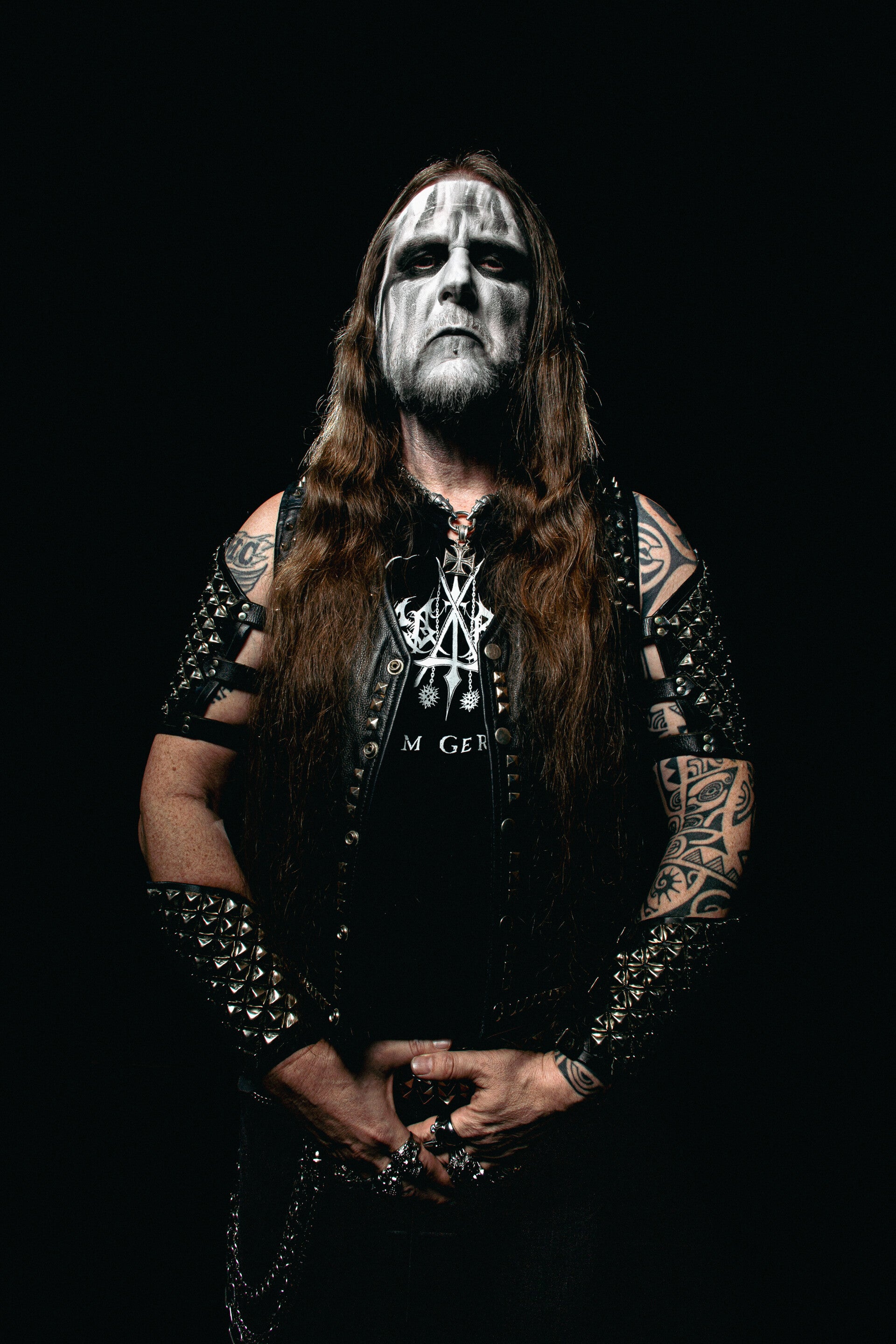
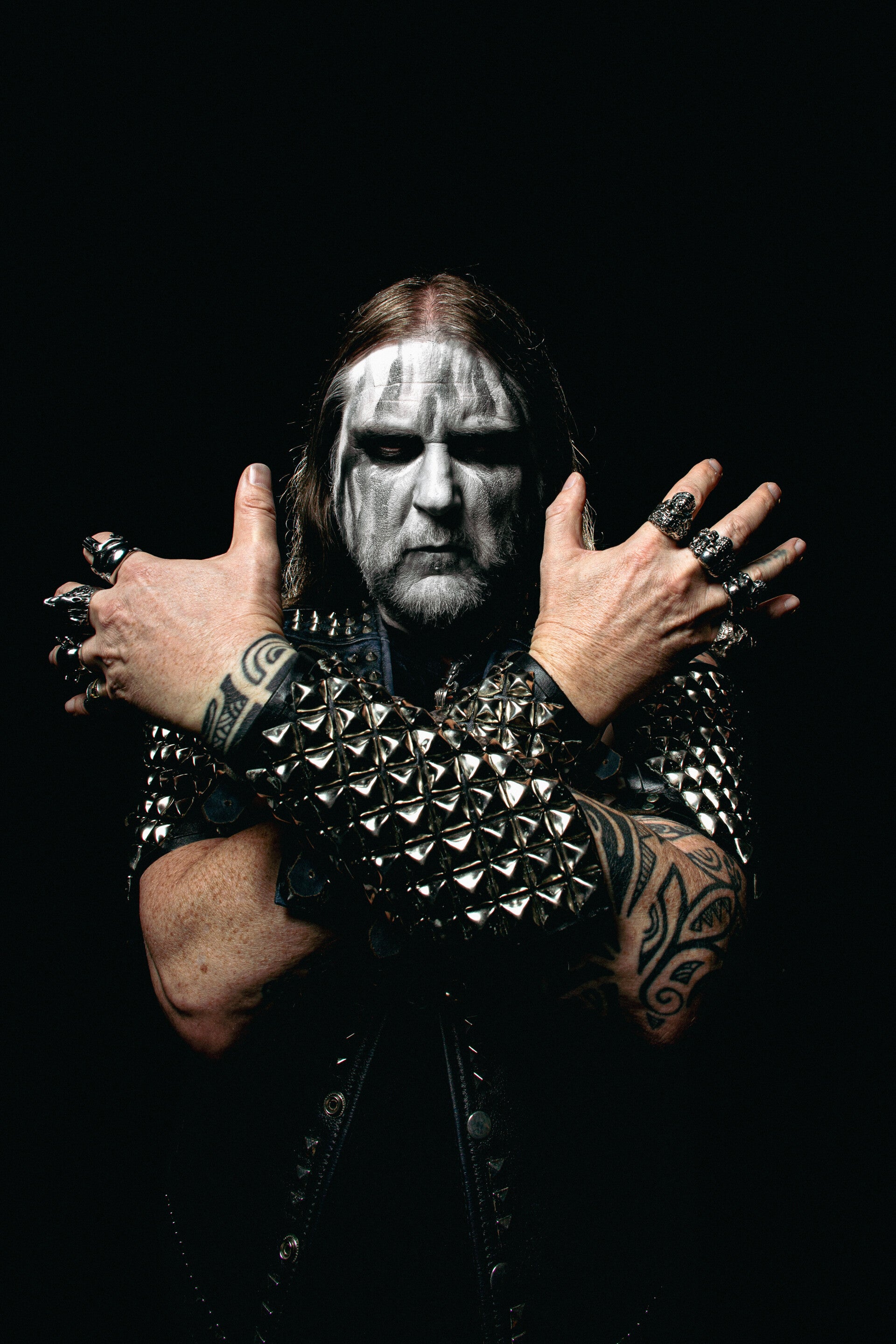
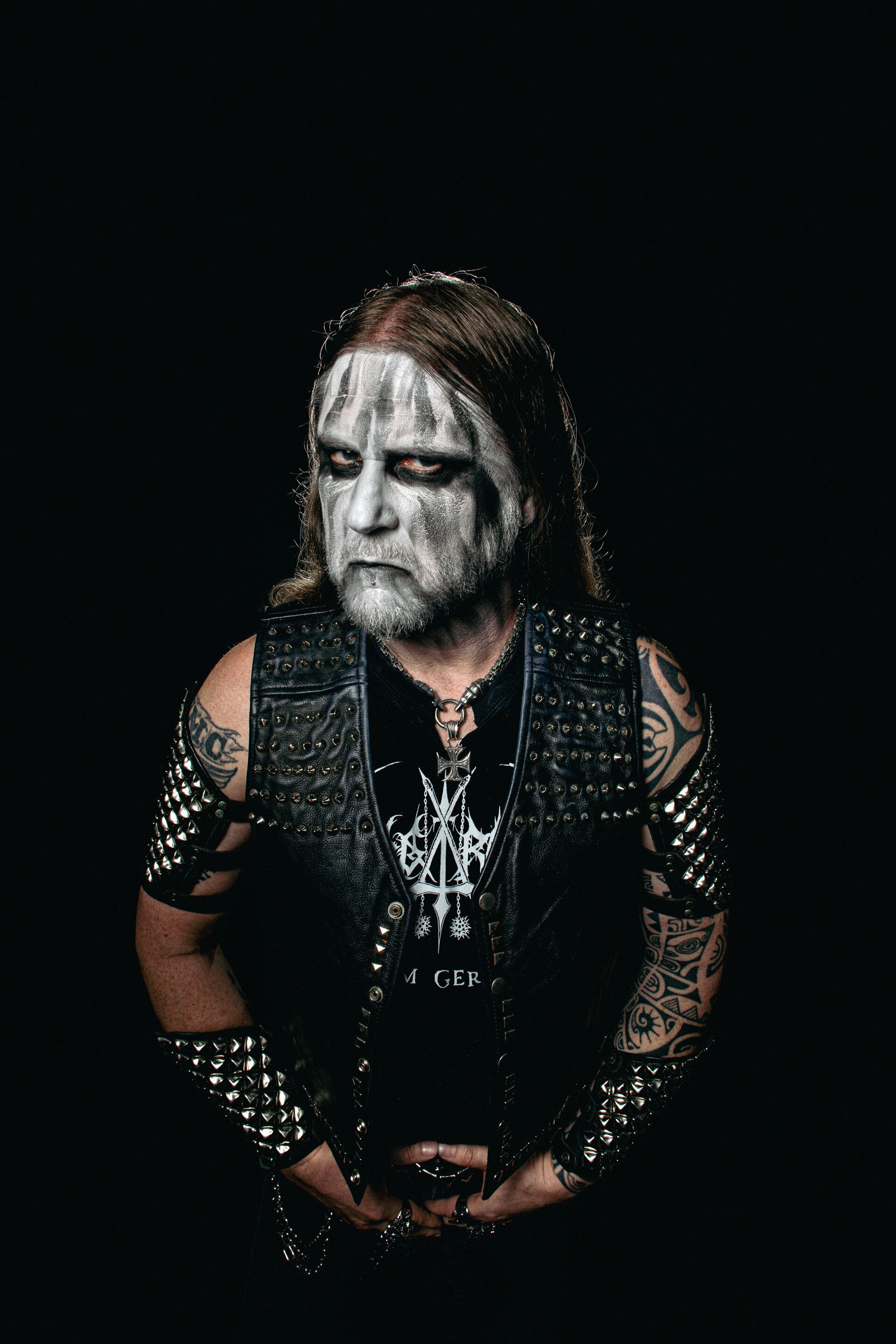
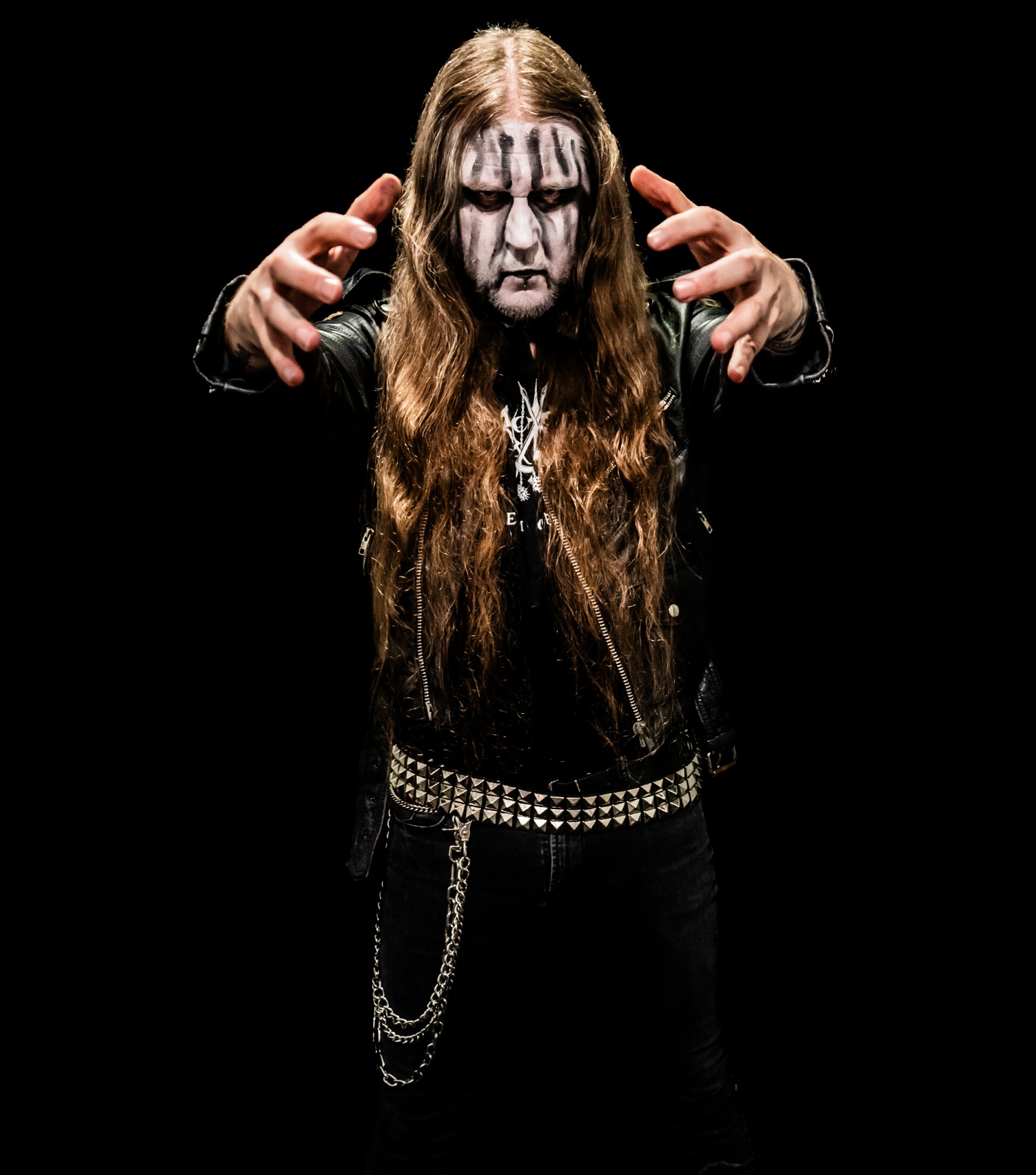
"For me, only demo-quality black metal was "true," and even within that category, only certain bands. Nothing else."
"Dresden" and "Requiem Germania" touch on themes of history and heritage. How do these tracks reflect the current mindset of the band regarding your German origins?
I feel like I'm constantly forced to reevaluate my identity. It seems that I am in the same dilemma my grandparents and parents were in when society and times changed, but I haven't. I remember them complaining about modern times and the lazy youth. They said their good times were nothing but memories of people, places, and things that had changed or disappeared. Sometimes, I feel the same way. When I lived in the USA, I was fine for a while. But over time, I missed my birthplace and our farm. After revisiting it, I felt better, but German society has changed so drastically that I can't find a place for myself in it anymore. I love Germany but despise the Federal Republic of Germany. We are a conquered people, which usually makes us good prey. We have embraced being the world's fall guy for a long time. We embrace sociopolitical concepts that bring chaos rather than unity. We have destroyed the most important institution: the family. We have no unifying beliefs, values, or rituals. Nothing that embraces "us." Yet, our diversity is beautiful. I wanted to point it out before it's gone. Thus, “Requiem Germania”. Processing and incorporating our past rather than rejecting and demonizing it is another task we failed to accomplish. Thus, "Dresden." The demise of a society can't be summarized in one paragraph of an interview. One can only mourn in silence because speaking up is punishable by ostracism.
Tracks like "Man Of Mayhem" carry a very rebellious spirit. Do you think extreme metal still has the same dangerous aura it once had?
Was it ever really dangerous? I mean, other than the loss of impulse control by some of the protagonists in the scene, which resulted in arson and murder. Yes, there were brawls and ass-kickings at some underground concerts, as well as some other violent actions. But you find the same in every good bar, and the crazy loons are found in all societies. I think BM's image was rather based on a few actions of a few guys, and the imagery bestowed upon these actions by the scene, but none of them were actually dangerous people like well-trained military assets. As a music genre, BM is not brave at all. Rebelling against Christianity in Europe doesn't require courage! The church, with the exception of some Eastern countries, is absolutely harmless and powerless, and criticizing it has no consequences! Therefore, targeting Christians is like beating up a third grader in the schoolyard. Christianity in Europe has long been a tamed religion, and its believers are not formidable adversaries. In contrast to Muslim believers, who react much more vehemently to blasphemy, and for whom it can indeed have far-reaching consequences for a non-believing critic. Interestingly, BM is very unblasphemous when it comes to Islam. The reason for this is that Muslims and Islamists simply aren't as docile as Christians. Criticizing Islam can have severe consequences, and the average image-hungry wannabe-dangerous BM protagonist either doesn't have the courage to blaspheme against this religion or is smart enough not to piss off the wrong kind of opponent. By criticizing Christianity, BM has chosen a weak opponent. There's nothing dangerous or courageous about that. And as I said, a few punches here and there aren't a sign of danger and are just part of the fun at any German village festival or fire department celebration. (Black) Metal has become nothing but entertainment. Everyone wants a piece of the pie, and they all try to avoid pissing off the wrong people to preserve their status. Some are true metalheads; others are die-hard fanatics. Others are strippers and OnlyFans models in prehistoric costumes, selling tits and ass and a fake celebration of our roots without the guts or desire to protect or defend them. We are all doomed. We tour and party while the world burns. I feel like I'm in that band that played until the Titanic sank.
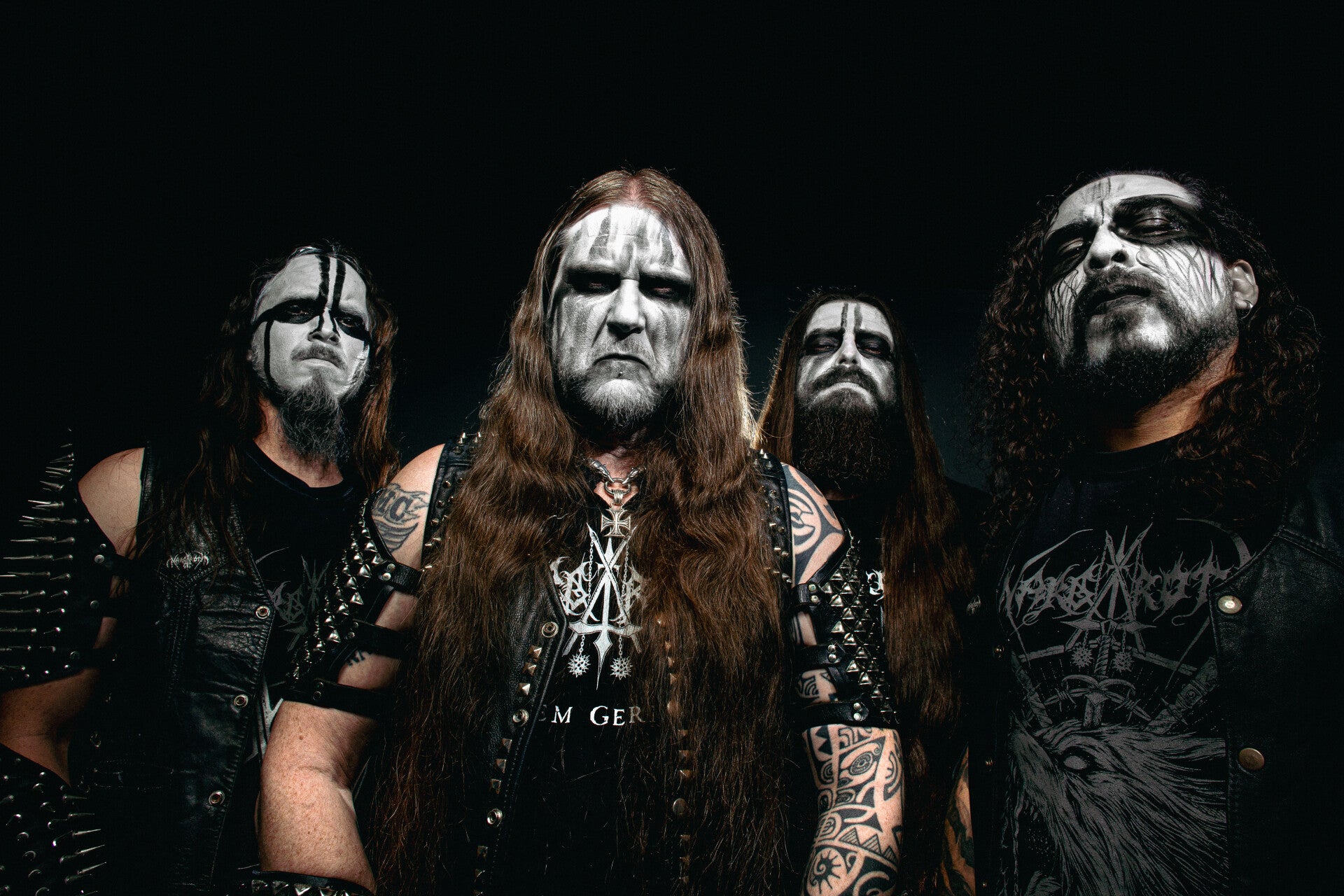
"The world is different. And so am I."
The production on "Apocalyptic Steel" sounds raw and untamed. How important is it for you to avoid a polished modern sound?
This album didn't follow an elaborate compositional process in which guitar riffs are developed, expanded upon, and weaker sequences eliminated in order to write the best possible song. That wasn't the goal, either. I wanted something more impulsive, frantic, unpolished, not philosophical or heavy with meaning. At the time, I was angry, disappointed, aggressive, irrational, depressed, and compulsively pessimistic. I just wanted to throw up, and that's why the album sounds the way it does. It's not a carefully crafted piece of philosophical, self-important, or profound black metal. Rather, it's a clunky, rugged, unfinished, sharp-edged piece of iron that serves more as a bludgeon than a precision tool. If a comparison were possible, I would have likened it to an iron fist-axe. But since fist-axes are naturally carved from stone, the comparison doesn't hold up. Still, I'm sure you understand the analogy I'm getting at. Also, I simply prefer the sound of old demos. I know I can't do that with all my albums, but when I can, I prefer a rawer, unfinished, and unpolished sound. I don't care for all the new sounds in black metal. They all sound the same to me because they probably use the same plug-in interfaces to sound like another band they like or that became successful. Not my style, not my tribe!
The album title itself sounds apocalyptic and militant. What does "Apocalyptic Steel" represent to the band beyond the music?
As I said before, I don't have a deeper, philosophical analysis for you. I simply don't want to. It's a tribute to the topics, imagery, and feelings of a long-gone era of metal. To me, it's an album that helps me reconnect with a time I had forgotten and denied for too long. It makes me a little bit more whole. From the beginning, I was aware that this album wouldn't be liked or find many fans. But I didn't care because I like it.
Many black metal bands today move toward atmospheric or highly technical styles. Do you still prefer a more stripped-down and aggressive approach?
I like the sound of demos, especially those from the '90s. I don't like or listen to black metal from the last 20 years. I stay away from anything related to it. Even today's raw music doesn't carry the same feeling. It's not their fault. It's just that the times are different. The world is different. And so am I.
After nearly three decades of existence, what still fuels the fire behind Nargaroth?
Frustration, disappointment and dreams of seclusion on my own farm. Without that, I would be no more.
Looking back at the entire Nargaroth journey, where does "Apocalyptic Steel" stand within the band's discography for you personally?
It stands alone. Like myself. Like all my other albums. For they are not really comparable. But it stands as one of my own that I actually like.

Add comment
Comments