

You made "Heathen Cross" with this same line up and three of you have been in the band for over ten years. What happens differently in the writing room now that nobody has to learn the band's language from scratch? Do the songs arrive more finished, or do they get torn apart more because everyone trusts each other?
A bit of both really. The big difference is familiarity. Chris, Luke and Ash know the Cloven Hoof sound inside out now, so I don't have to explain what I'm trying to achieve anymore. They instinctively understand where the songs need to go. The demos tend to arrive quite complete because I write very detailed arrangements at home, but the lads are encouraged to add ideas if they improve the song. There are no egos in this band, so nobody is precious about anything. If someone comes up with a better idea, we use it. The trust factor is huge. I can throw something at them with multiple time changes or unusual arrangements and know they'll play it brilliantly. That's incredibly liberating as a songwriter.
The album goes from near speed metal in "Terror From The Skies" to organ swirls in "Gypsy Roller", which sounds like Deep Purple. Was that kind of range the plan from day one, or did the songs pull in different directions and you let them? And what got cut because it didn't fit the running order?
The diversity wasn't planned at all. The songs simply developed organically and revealed their own identities. I've always loved albums with variety. I don't want to hear twenty versions of the same song. Great records should take the listener on a journey. There should be surprises, atmosphere shifts and different emotional colours. The Deep Purple influence on "Gypsy Roller" came about quite naturally. Chris Dando started playing a magnificent Jon Lord-style keyboard sound during rehearsals. I immediately remembered a piece I'd written in the late seventies that would fit it perfectly. The moment we tried it, everybody loved it. Nothing significant was cut from the album. Every song earned its place. We were fortunate that the material formed a cohesive whole despite being so varied.
"Seven Sacred Wonders" closes the album by crossing seventies progressive rock with eighties heavy metal. "Heathen Cross" was tied to the Cornish legend of seven sisters turned to stone. Is the number seven a thread between the two albums, and did the idea behind this song come before the music or grow out of it?
That is a very perceptive observation. I hadn't consciously thought of the number seven connecting the two albums until you mentioned it, but perhaps there is a subconscious link. Inspiration often works in mysterious ways. The concept and atmosphere arrived together. I usually start with melody and narrative simultaneously. Most Cloven Hoof songs are like miniature films. Once I have the storyline, the music grows around it naturally and helps reinforce the mood of the piece. I've always liked songs that transport the listener somewhere else, and "Seven Sacred Wonders" certainly aims to do that.
"Heathen Cross" was recorded with the band playing together live in the studio. Did you do the same at Vault Studios? With Harry based here in Greece, were the vocals recorded in England alongside the band or sent in from a distance?
The approach differed somewhat this time. On "Heathen Cross" the band rehearsed extensively and then recorded much of the backing material together, capturing that live energy. "Never A Prophet In Your Own Land" was more layered and cinematic, particularly because of the keyboards. So Chris Dando and I worked through the arrangements piece by piece before the other musicians completed their individual parts. This time Harry actually flew over to England to record his vocals at The Vault. We allocated ten days for the sessions and he completed everything in just three days. The rest of the time we spent hanging out and enjoying ourselves. That's how professional he is.
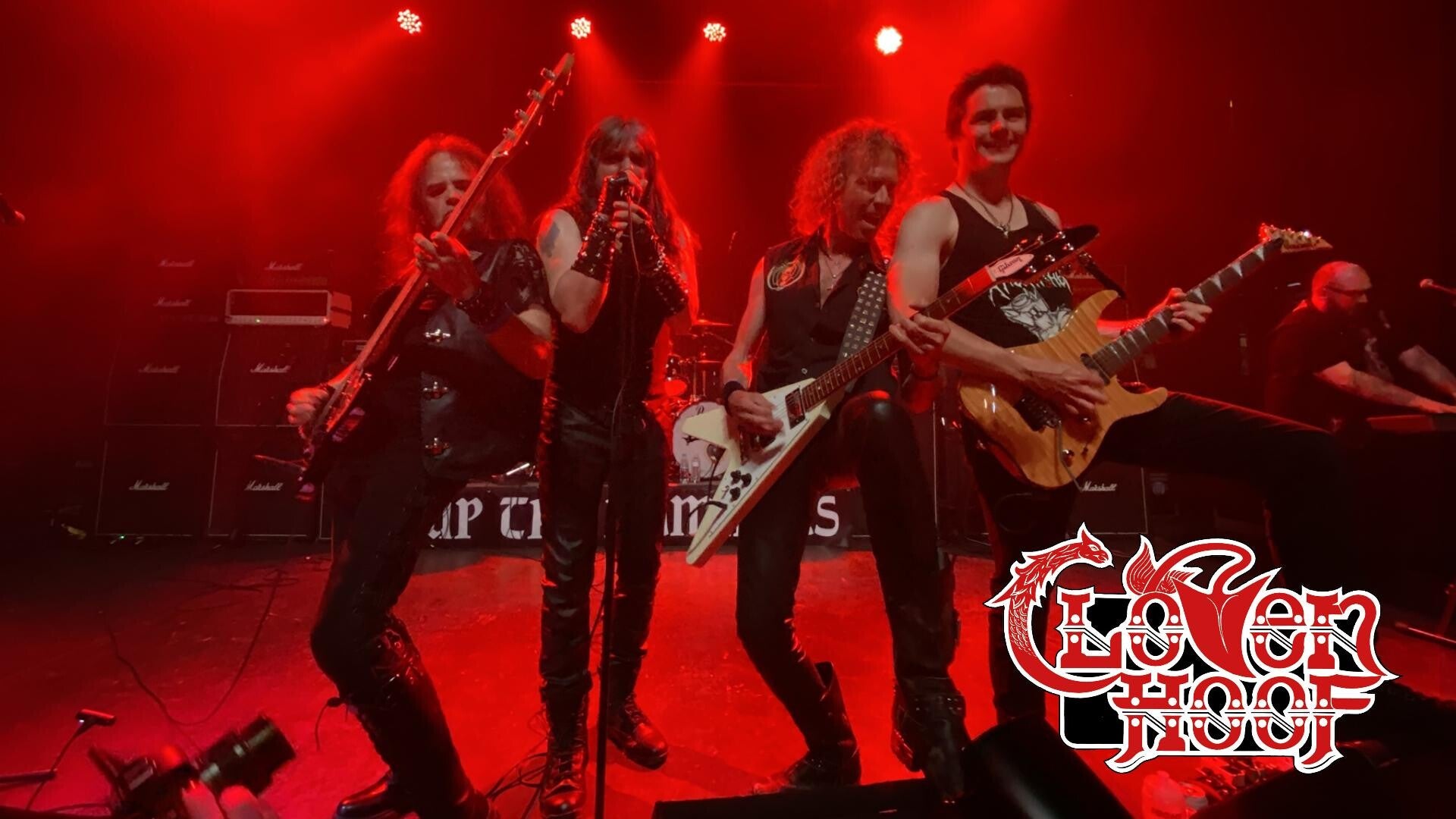
"The reality is that bands like Cloven Hoof survive because of the loyalty of genuine metal fans."
The man who recorded the album also plays keyboards and sings backing vocals on it. How does a session change when the person behind the desk is also inside the songs? And on your second album with Patrick W. Engel mixing and mastering, was there anything you argued about, especially where the vocals sit?
Chris Dando understands Cloven Hoof better than almost anybody because we've worked together for so many years. Having him both behind the desk and contributing musically is an enormous advantage. He immediately understands what I hear in my head and knows how to achieve it technically. The same applies to Patrick Engel. Patrick is a true professional and understands heavy metal perfectly. We rarely disagree because we're all working towards exactly the same goal. Of course there are discussions, particularly when balancing keyboards, guitars and vocals, but they're always constructive. The objective is simply to make the songs sound as powerful as possible.
The Voice, (Metal God 2 as I call Harry) best known for its high screams, opens "Flying Dutchman" almost fragile, and it holds back again on "Prodigal Son". Was that restraint written into the songs, or did it happen in the vocal booth?
The restraint was very much part of the vision. People rightly celebrate Harry's incredible range and power, but what makes him truly great is his ability to convey emotion. Sometimes the most powerful vocal isn't the highest scream or the loudest note. A great singer acts out the lyrics. Harry understands character, drama and atmosphere. He instinctively knows when to attack a line and when to pull back. That's what separates a great vocalist from a merely good one.
The album is full of outsiders and exiles: conquistadors in a foreign land, a prisoner hidden behind an iron mask, a ghost ship that can never make port, a son coming home. What were you reading, watching or going through while these lyrics took shape?
I've always been fascinated by history, mythology and human struggles. The songs came from many different places. The inspiration for "Flying Dutchman" arrived while I was sitting on a harbour wall in Watchet looking out into the mist and imagining the silhouette of a ghost ship emerging from the fog. Other songs evolved from historical events, famous legends and universal themes such as loss, redemption, freedom and belonging. I think listeners connect with outsiders because, at one stage or another, we've all felt like outsiders ourselves.
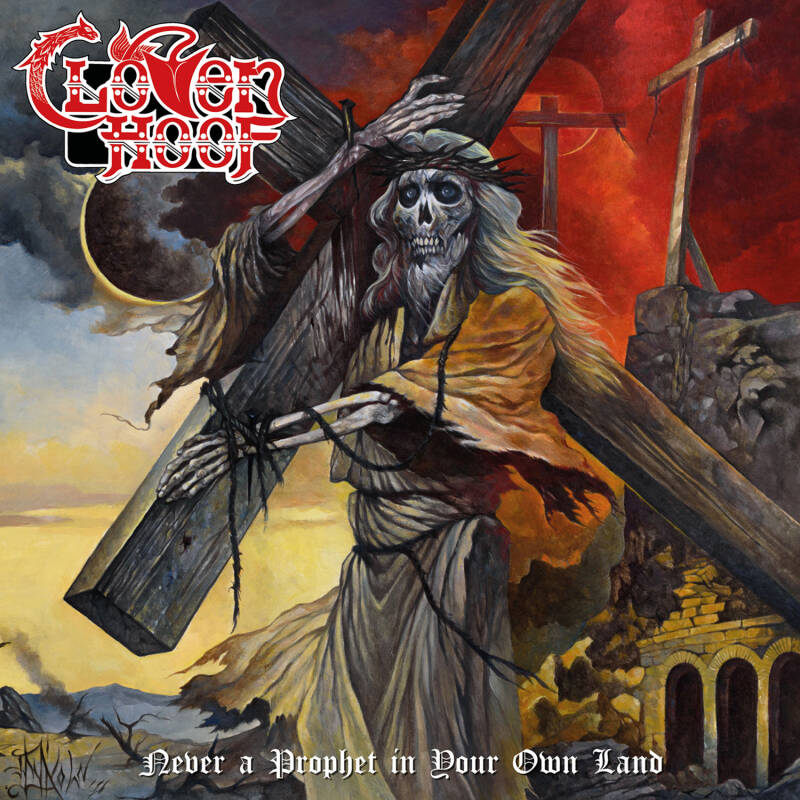
The title comes from the old saying that a prophet is never honoured in his own country. Cloven Hoof started in Wolverhampton in 1979 and has often been celebrated more at festivals in Germany and Greece than at home. How much of that title is aimed at Britain?
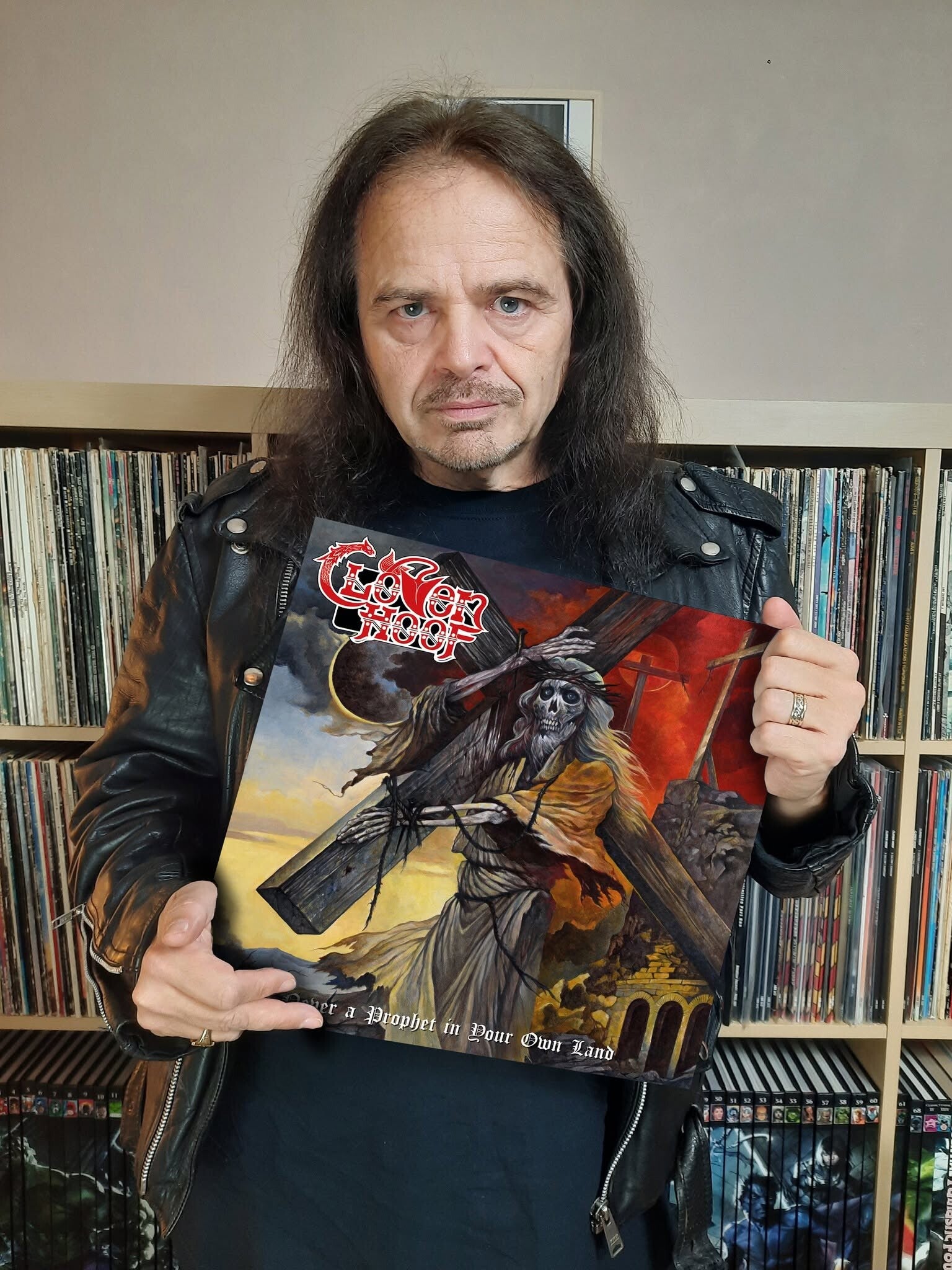
There is certainly an element of that. The title works on several levels. First and foremost it concerns Jesus and persecution. Secondly it's a metaphor for anybody who struggles for recognition. And yes, there is a Cloven Hoof angle too. Sometimes we have felt more appreciated abroad than at home. Germany in particular has always been incredibly supportive. Some of our most loyal fans come from there. However, the title isn't meant as a criticism. It is more an observation of how life sometimes unfolds.
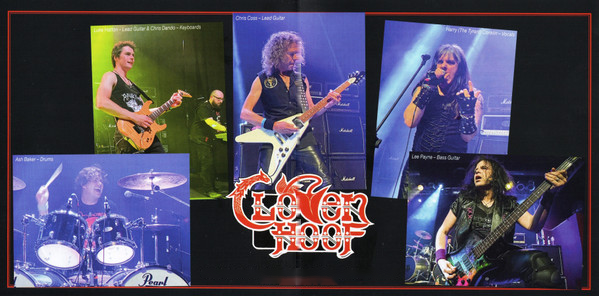
Russ North died on the first day of 2025, so this is the first Cloven Hoof album made since his passing. Many listeners hear the spirit of "A Sultan's Ransom" in these songs. Did losing him find its way into the writing, even without you meaning it to?
I think it probably did. Russ was not only a fantastic singer but also one of my closest friends. His passing affected me deeply. The title track in particular carries some of that emotion because the phrase "Never A Prophet In Your Own Land" was something I once said to Russ during a conversation about the music industry and recognition. The connection to "A Sultan's Ransom" wasn't deliberate, but perhaps memories of that era and of Russ himself influenced me subconsciously. Music often finds ways of expressing things before we fully understand them ourselves.
"Terror From The Skies" opens the album in 2026, when drones and missiles are on the news every night, and the Black Country itself was hit by Zeppelin bombs in 1916. Is the song history, science fiction or tonight's headlines?
It is really all three. I've always enjoyed songs that blur the line between history, imagination and current events. Although the song can be interpreted through a modern lens, it isn't specifically about contemporary politics. The subject matter is deliberately broad enough that listeners can bring their own interpretations to it. Great songs evolve with the times and find new meanings depending on who is listening.
Between the organ parts on "Gypsy Roller" and the shifts in "Seven Sacred Wonders", which of these songs will be the hardest to play live, and what will you have to change to make it work on stage? Were any of them written with a festival crowd in mind?
"Seven Sacred Wonders" will probably be the greatest challenge simply because of its complexity and range of dynamics. That said, this band thrives on challenges. The musicians are capable of handling pretty much anything I can throw at them these days. We'll need to be clever with the keyboard arrangements and backing layers, but having Chris Dando available for selected shows makes that much easier. "Prodigal Son", "The Bigger They Are" and "Man In The Iron Mask" strike me as songs that festival audiences will immediately embrace. Those choruses were practically designed for crowd participation.
Brexit made working with musicians from abroad and touring the continent far more expensive for British bands. Streaming pays pennies, and AI-generated tracks are flooding the platforms. For a band that came up through tape trading and pub stages, what keeps Cloven Hoof going financially in 2026? Where does a label devoted to vinyl and CD like High Roller fit into that?
The reality is that bands like Cloven Hoof survive because of the loyalty of genuine metal fans. Streaming has changed the landscape enormously, but true metal fans still value physical products. They want albums, vinyl, artwork and something tangible to hold in their hands. That is where a label like High Roller Records becomes invaluable. They understand traditional heavy metal and support it properly. They're run by real fans who care deeply about the music. As for us, money has never been the motivation. We play metal because we love it. The fans are the reason we continue. Their support allows us to keep making albums and preserving the values of true heavy metal in an increasingly disposable world.
Add comment
Comments