

Release Date July 31st, 2026
Format 2CD
Genre Death Metal
Origin Germany
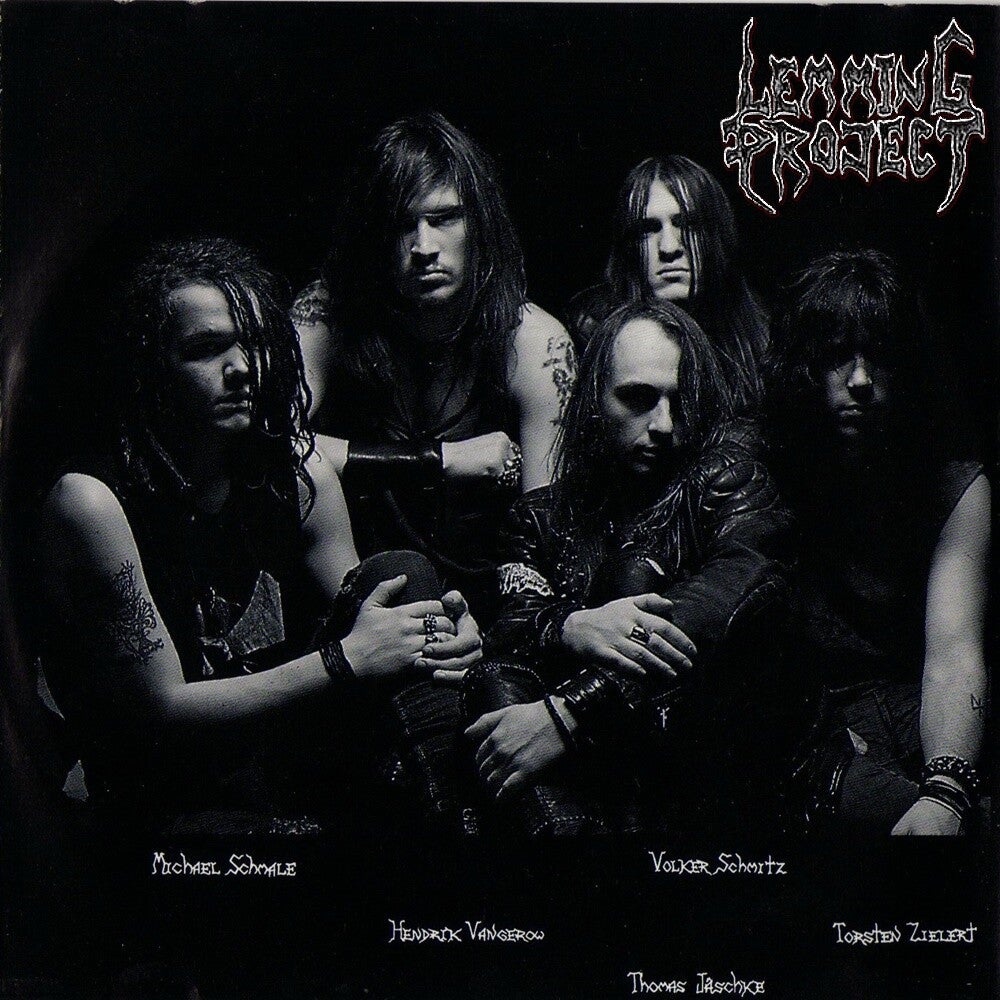
Lemming Project formed in Dortmund in 1986 and occupied an awkward corner of the German underground from the beginning. The band emerged while extreme metal in the country was becoming more defined, though its own route pulled heavily from punk, crust and hardcore culture. A demo appeared in 1990, followed by a deal with Noise Records, the debut album "Extinction" in 1991 and "Hate And Despise" in 1992. Fantasy themes and heroic posturing had no place here. The lyrics turned toward social decay, alienation, manipulation, institutional cruelty and the disposable treatment of ordinary people. Their live activity was sporadic and often centred on squats and independent venues where different underground crowds mixed freely.
That position left Lemming Project disconnected from the more established metal circuit around the label. After the second album, the band disappeared with little public closure and no long catalogue behind it. The scarcity helped build a cult following over the following decades, since both albums circulated as overlooked examples of death metal shaped by punk ethics and politically aware writing. The band’s history is unusually compact, one demo, two albums, scattered shows and an ending that arrived before wider recognition. That brief run also
explains why these songs have remained trapped in collector territory for so long. Lemming Project did not develop through several eras or soften its approach over time. All material preserved here comes from a narrow period when the group was raw, confrontational and separate from the commercial ambitions surrounding much of the early nineties German scene.
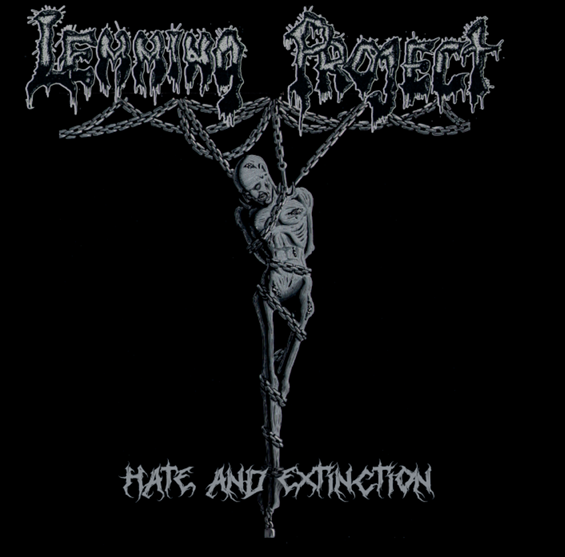
"Hate And Extinction" places both albums in chronological order across two CDs and nineteen tracks, with "Extinction" on disc one and "Hate And Despise" on disc two. The production has the dry, coarse character associated with underground European death metal of the period. Guitars sit low and grinding, drums arrive with minimal decoration, and the vocals stay close to the front, more accusatory than theatrical. "Extinction" is the rougher half, built from compact riffs, sudden turns and a punk based attack that rejects elegance. "Hate And Despise" broadens the writing through longer phrases, more varied rhythmic changes and a colder, more deliberate pace.
The appeal comes from the friction between the riffs, the shifts from blunt impact into marching patterns, and the way the vocals convert social disgust into a rigid, hostile presence. The lyrical subjects give the set much of its character. Dehumanisation, political obedience, exclusion, manipulation and failed social structures appear repeatedly, with language rooted in the period and themes that remain relevant. Across two discs, the restricted sonic range can become tiring. Several songs return to similar pacing and vocal cadence, and the raw mix sometimes swallows smaller guitar details.
The second album also contains passages that run longer than their ideas deserve. These limits matter, especially in a complete collection where both albums are heard together. They do not reduce the release to archaeology. The difference between the debut’s blunt construction and the follow up’s broader writing gives the package a useful progression, while the archival notes, new interview material and first hand recollections provide context for a group that left few traces. Dissonance Productions has assembled a focused edition and resisted padding it with unrelated extras.
As a listening experience, the collection is uneven, stubborn and frequently compelling. Its better sections expose an unusual intersection of early death metal, crust informed rhythm and socially conscious anger. Its weaker passages reveal a young band working with limited resources and a narrow sonic palette. "Hate And Extinction" is no lost classic. It is a substantial recovery of two neglected albums whose raw production, bleak lyrics and unorthodox structure deserve more attention than they received at the time. The package documents Lemming Project’s place in German extreme metal history without disguising the rough edges that kept the band outside the main current.
|7.5
Add comment
Comments