

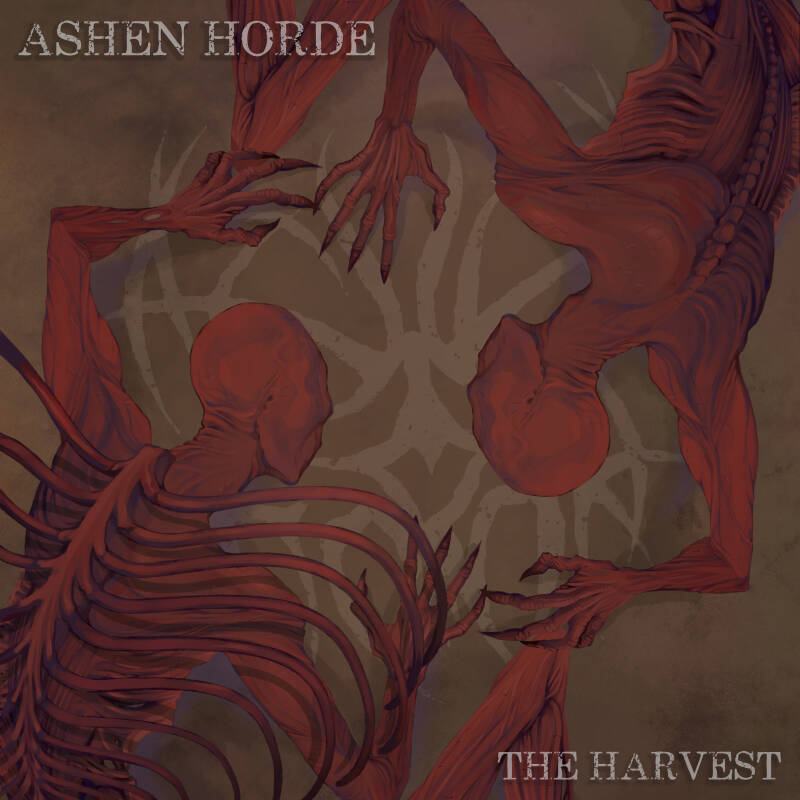
“The Harvest” revolves around endings in many different forms. Why did that theme connect so strongly with the band during the writing process?
The origin of the theme came from the opening tracks, “Autumnal” and “Entropy and Ecstasy.” The music for “Autumnal” goes back to a trip I took to Sensorio, an outdoor art exhibition in Paso Robles, California. Something about the experience made me want to write a black-metal-infused song that really captured the fall season. The lyrics are, fittingly, about old Pagan fall traditions; a focus on the end of the harvest season (hence the album name), and preparation for winter. “Entropy And Ecstasy”, which I’ll talk more about in a moment, was about people getting a thrill from what is essentially the world collapsing. The theme of endings emerged from that, so I thought it would be fitting to have the rest of the songs focus on something similar.
This is your first full-length with Karl Chamberlain on vocals. How did his arrival change the chemistry and songwriting inside Ashen Horde?
Karl joined after the music had been written, but he took the ideas I had and elevated them by several levels. I’d handled clean vocals on the previous couple albums, but was never really able to bring them to life the way I heard them in my head. So for songs that already had melodies, he performed them better than I ever would have; for songs that didn’t, he was able to add great parts that I hadn’t even considered. Of course, his harsh vocals are also insane. Now that I know what he can do, I’m able to consider him while writing. So the material for the next album will take that into account.
“The Harvest" was recorded entirely remotely. Does that distance ever make the creative process difficult, or does it allow for more individual freedom?
There are times it would be nice to get everyone in a room and just work through songs. But at the same time, I tend to have a very specific vision for each song, and am not always looking for input, ha-ha. I do think working alone allows for more individual freedom, though, since each person is able to build up their parts the way they like them, rather than having to compromise because someone else shoots them down in the moment. That’s not to say everything gets used, but I try to let the others craft the parts they feel are right for them.
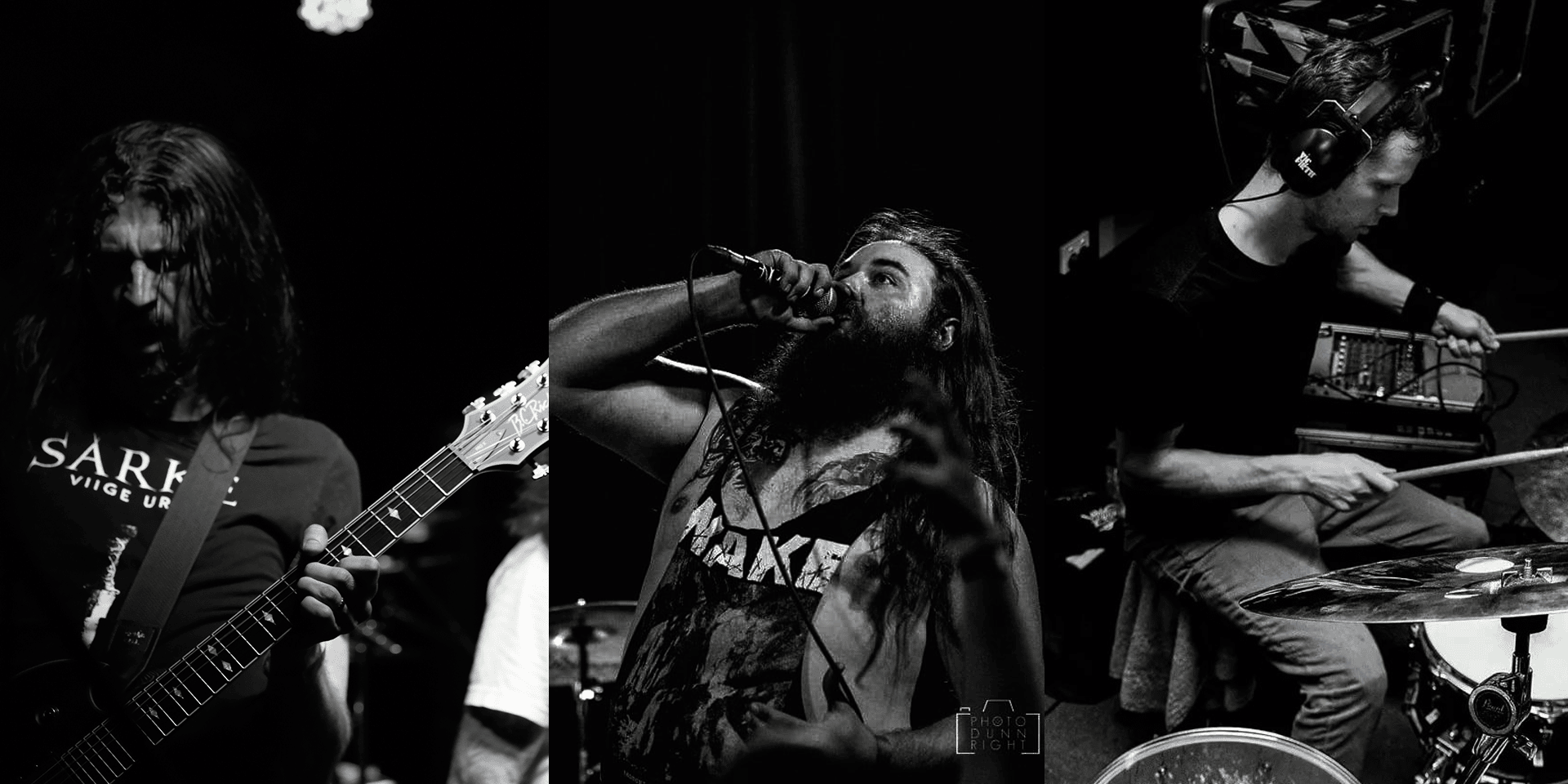
"Albums are meant to live forever, but shows are meant to capture a moment… for us, that moment is very loud and very brutal."
Your albums continue evolving instead of sticking to one established formula. Is experimentation something you consciously pursue, or does it happen naturally during songwriting?
It’s pretty natural for me. On one hand, I try not to repeat myself… at least obviously. No offense to bands that have a very definitive sound, but I’d rather try something new with every album, and even song. At the same time, I don’t try to throw stuff in just to make things weird or provocative. If I magically decide a song would be cool with a banjo solo, it would be because I think that would be right for the song, not just to get attention.
“Entropy And Ecstasy" mentions a thrill found in chaos. Do you think that’s a reflection of how people have reacted to the global instability of the last few years?
I’m sure some have! We’ve all dealt with so much chaos recently, and there are so many reactions to it. Some people lock themselves away to avoid it, some pretend it’s not happening, and others are just overwhelmed by it. Most of us probably do a little of all of that! But I was fascinated by the idea of someone actually getting EXCITED by it. Just loving the insanity and danger. Sort of like one of those people with a wing suit, who need the adrenaline rush. I’m not really that guy, but it’s interesting to think about it.
"Backward Momentum" deals with the devolution of rational thought. Is this a frustration that the band feels is becoming more prevalent in the world today?
I can’t speak for everyone, but it’s definitely a frustration for me! Mass connectivity via socials and the like has been great in some regards (though enshitification has ruined most of the good parts). But it’s also amplified some really ridiculous ideas that infect people like the viruses they don’t believe in, haha. When trusting fringe YouTubers over experts becomes widespread, I fear for where we’re headed.
“Voids In The Ash” approaches the fall of Pompeii in a very dramatic way. What attracts the band to themes connected to destruction and collapse?
I find historical events like this fascinating, perhaps because they give us a glimpse of what we may face one day. Certainly, natural disasters are in a different category than, say, nuclear war, but could being about pretty devastating results. But what’s to be done about it? It’s hard to know. Pompeii is also an interesting case because of how well preserved things are. Seeing casts of the bodies, people embracing loved ones, for instance, really humanizes the people who lived and died there. Sure, we all recognize that they were people, but it’s easy to separate ourselves from them since it was so long ago. But ultimately, they had the same emotions, fears, connections and needs that we did. More broadly, I think writing about subjects like destruction and collapse can be a bit cathartic. It’s a way to work through the fear and stress that comes with living in a world that gets more complicated, and terrifying, by the day.
After “The Harvest,” where do you see Ashen Horde heading next, musically and creatively?
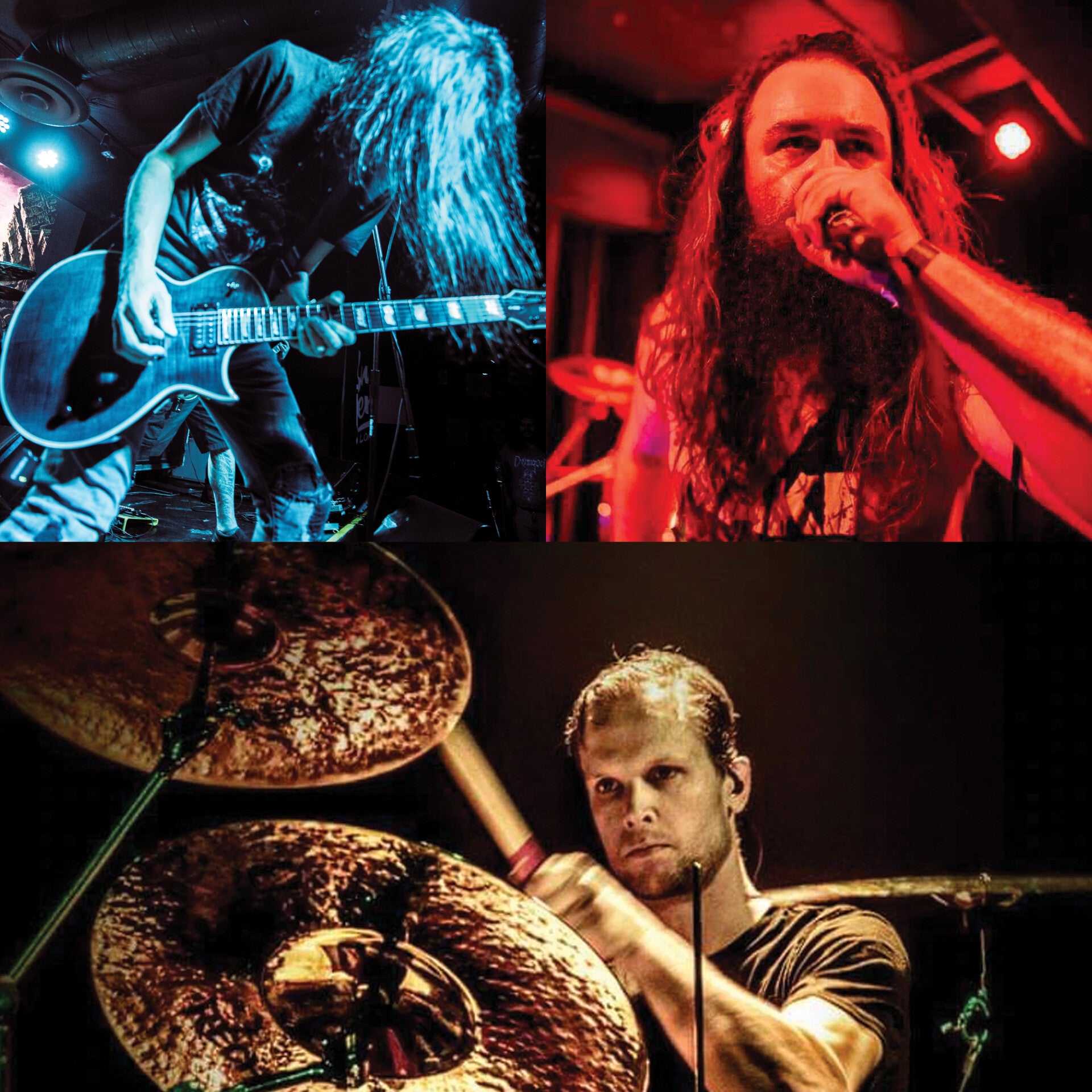
I always try to push myself and the songs to a level beyond what we’ve done before. Like I said, I try not to repeat myself. We have an EP mostly recorded that goes all over the place, from old school death metal to something almost blues-inspired. Given what I have for the next album so far, it will be the next logical step (at least as I see it). More melody and atmosphere, but also faster blasts and heavier heaviness. We even get into some 80s-style trad metal things. It’s just about writing songs that are interesting and meaningful to me; hopefully other people connect with them, too!
Ashen Horde began as a solo project and now prepares for live performances for the first time. Does finally bringing this material to the stage change how you view the band today?
Not really. I didn’t avoid playing live because of the material, I just wasn’t interested in performing for a long time. Obviously it has its own rewards, but also comes with a lot of challenges. Writing and recording are the most fulfilling aspects of playing music for me, so I initially didn’t put effort into creating a full band that could even play live. But now we have members that love to play live, so who am I to fight it? Truth be told, I’m actually quite excited to finally bring some of these old songs back to life. For instance, “Feral,” from the album “Nine Plagues”, was made to be played live. It just took 11 years to make it happen!
With the first live shows coming up this May, what can fans expect from the Ashen Horde stage experience compared to the studio recordings?
I guess we’ll all find out together! Live always adds a rawer element. We’re not there to stand like statues and play things perfectly, we’re there to have fun and get people moving. Albums are meant to live forever, but shows are meant to capture a moment… for us, that moment is very loud and very brutal.
Add comment
Comments