

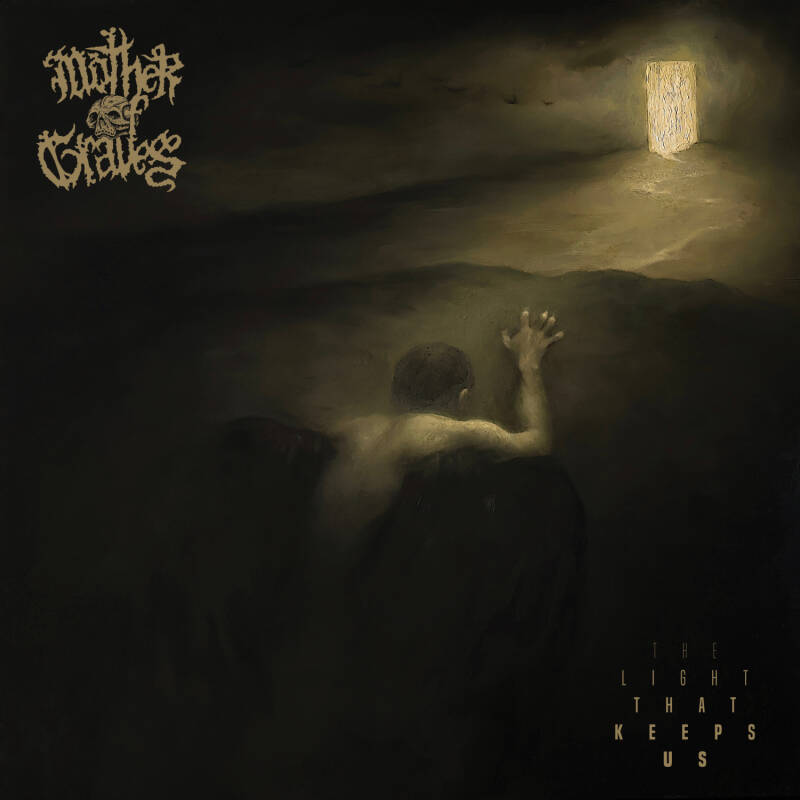
“The Light That Keeps Us” follows an album that placed at No. 11 on Decibel’s year-end list. How did that reception affect the standards you set for yourselves during the writing of this third full-length, and how did you stop outside expectations from dictating the result?
We always set high standards for ourselves. We are our own harshest critics. We would not release something that we weren’t happy with. So we didn’t really let any outside expectations dictate anything. We just wrote what we were feeling and worked hard to make the songs the best they could be. That being said, of course we want others to connect with our songs as well.
The new album took shape over two years, with songs developing gradually from early ideas. How does the band decide when a riff or arrangement has reached its final form, and what usually makes you discard an idea that initially seemed promising?
We’ve become pretty good at knowing when we are on to something and pretty good at knowing when we are missing the mark. We are good self-editors and have all been doing this a long time. I take pride in our songwriting, and we go over parts and arrangements until we know it’s right. You just kind of know. When we have gone over a song 100 times and can’t find anything that bothers us and feel strongly about the whole thing- we just know. We never truly discard anything. If something isn’t working out, but the idea has potential, we’ll just set it aside and come back to it later. If happens a lot.
You record at home with Ben Sandman handling production while also playing guitar. What can you achieve with this setup that would be harder to accomplish in a conventional studio, and how do you prevent the freedom to revise things endlessly from becoming a problem?
Not having a ticking clock and studio bill racking up is the best thing about our situation. We can take all the time we need to work things out. We are all busy in our everyday lives so it’s a perfect situation for us. I live just down the road from Ben, so I often head over at night for a few hours to work on things. I don’t worry about revising endlessly as we know when a song is ready. There is always a deadline we set with the label though, so at the end Ben gets some pressure doing the final mix lol.
Your music balances death metal aggression with the melancholy and romanticism of doom. When a song calls for a heavier approach, how do you decide where melody and atmosphere should take over, so the emotional tension remains central to the composition?
I think it just comes to us naturally as we grow as songwriters. Our songs are usually about balance and dynamics. We are always thinking in those terms when writing. The song will just speak to us and tell us when we need to do what. Sometimes it takes longer to figure out. Sometimes it’s immediate.
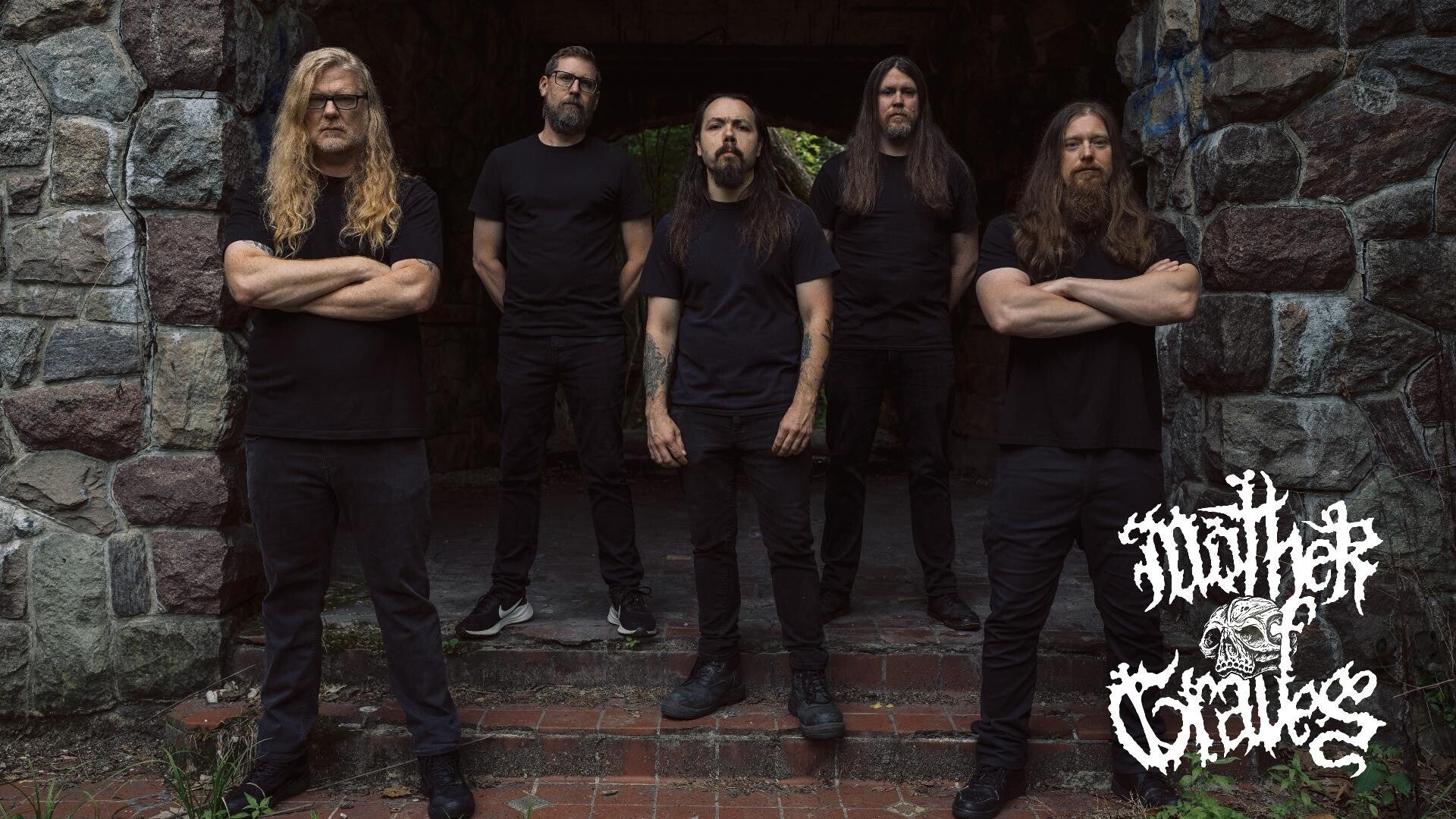
"I wanted to give an equal voice to both the darkness and the light. The ugly and the beautiful. The hurt and the hope. One is never more prevalent over the other."
Brandon Howe
The lyrics explore mortality, sorrow, love, loss and resilience, with darkness rarely presented as the whole picture. How did these themes develop across the album, and did the band approach the record as a unified emotional journey or as separate personal experiences connected through the music?
Brandon: I wanted to give an equal voice to both the darkness and the light. The ugly and the beautiful. The hurt and the hope. One is never more prevalent over the other. They are a harmonious force that feeds and drives the human experience that we all trudge through every day in search of meaning and sustenance. My writings are very personal, often written as my own cathartic keepsakes, and luckily always find a comfortable placement within the music that we create. I wouldn’t say that we go into it as a unified emotional journey, but in the end, it feels very unified as all of our ideas naturally coalesce and become what they do. I know that we all bring our own personalities into the mix of things, transforming our own emotions, trials and hardships into something greater that we can immortalize as a band and most importantly as close friends. I think that has helped us maintain that shared connection and special sound that we’ve honed over the years. It’s essential to have each member on these records shine with an individual focality.”
The previous album expanded the role of guitar harmonies and melodic writing, and that approach remains important here. What have you learned about arranging longer songs so that changes in pace and intensity serve the composition instead of simply extending it?
We get bored quite easily and some of us typically don’t like long drawn out songs. For me I just have to keep them interesting to my ear for them to work. The parts always have to serve a purpose and not get repetitive or boring to my ear. Whether I decide a pace change is needed or a different style of riff/part has to happen in a certain spot, nothing is done to simply extend a song. Each part must serve a particular purpose. We cut the fat of each song we write. That’s probably why our songs aren’t as a long as a lot of doom out there.
Dan Swanö has been involved with the band through mastering, and now contributes vocals to the new album. How did the idea of bringing him into the vocal arrangements come about?
We’ve been working with him for years. He’s been very supportive of what we do. He also is a fan of Brandon’s vocals and actually had Brandon record some parts on his “Crimson II” reissue. He didn’t owe us anything, but we called in a favor and he was more than happy to lend his awesome voice to our song. Ben wrote the vocal melody to Brandon’s vocals. We sent a rough take to Dan, and he quickly recorded his part for us. It fits perfectly and it is an honor to have him on the album.
With Ben Sandman producing, how did you approach the balance between the natural sound of the performances and the detailed work required during mixing? Were there any decisions about guitar tone, drum sound or vocal placement that significantly changed how the finished album came across?
Ben has a fantastic ear and sense for what’s working with a performance and what is not. He often will leave in imperfections in a performance because the overall take was just too good. The imperfections can add character and honesty to the song sometimes. He knows where the most important details are. Those certain things that need extra care and attention that have a high impact to the song. We put a ton of trust into Ben when he is crafting our sound, so I don’t think there were any significant decisions to be made. I know that he put a lot of care into the drum sounds on this one. We just let him do his thing.
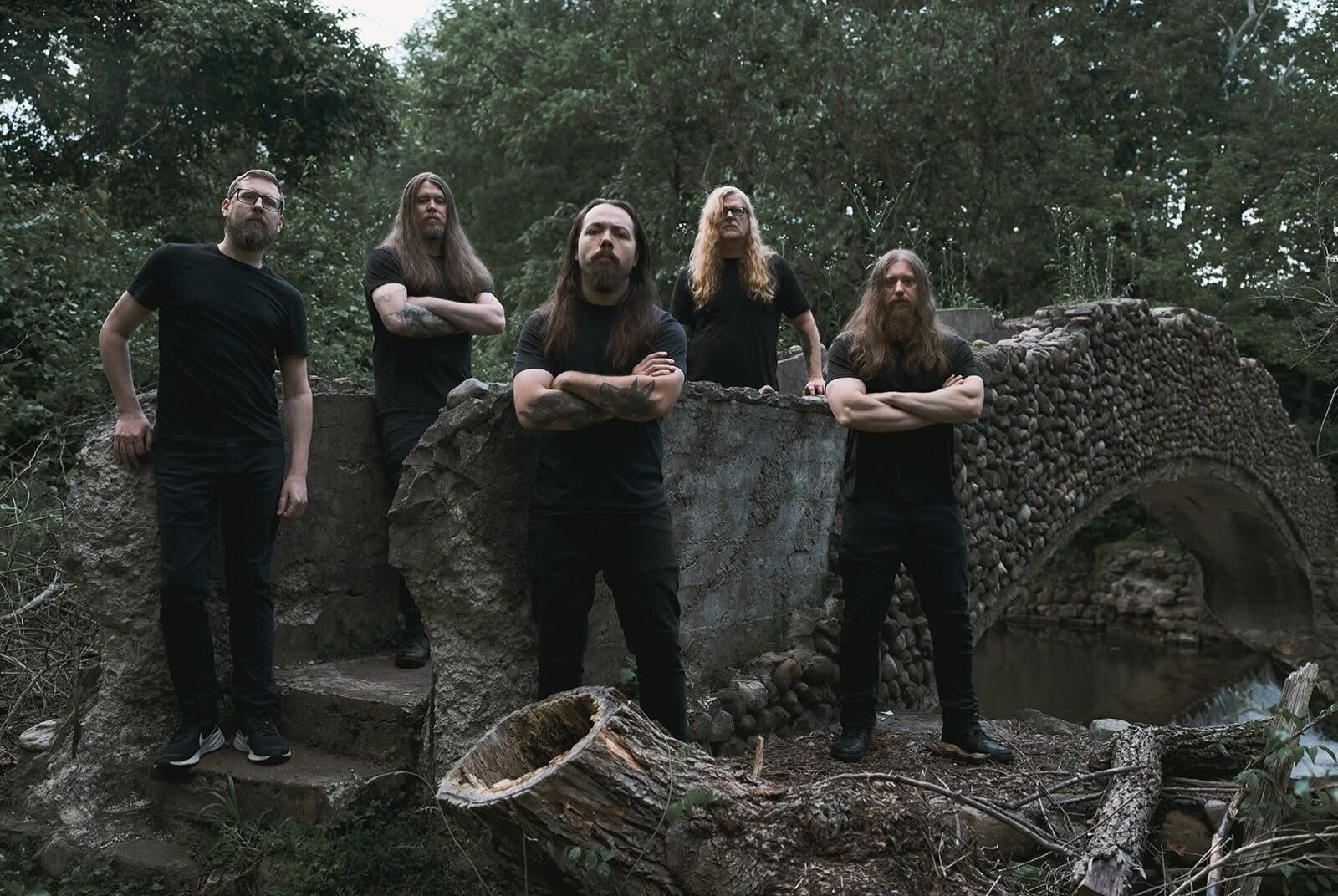
Mother Of Graves has become one of the more visible death-doom acts to come out of Indianapolis, with recognition extending beyond the local scene. How do you assess the current metal community in Indiana, and what challenges do underground bands in your area face when trying to build an audience beyond their home region?
Yeah, Indianapolis has a pretty strong scene these days. Much more so than when I was younger. Wherever a band is from, it can be hard to get noticed even if you are talented. It takes a lot of work to do even a moderately successful band. I don’t think some people realize that. These days I don’t think geography has all that much to do with it. If you have good songs and the drive you can have some success. Sometimes bands just don’t have the drive to build that audience and that’s fine if they’re cool with it. If you have that motivation just make those connections and start spreading the word.
Death-doom has a long history, yet bands continue to approach its mix of melancholy, heaviness and melody in different ways. What do you think the current generation of musicians needs to preserve about the genre, and where do you see the most interesting possibilities for its future?
I hope bands continue to preserve the emotional aspect of the genre. Anyone can write a death-doom riff, but not everyone can add that emotional weight that will make the song really resonate with someone. That shit has to have feeling. As for the interesting possibilities? I don’t know really. Bands are taking different approaches and I hope they continue to do so. Look at Dream Unendings new album. They’re a band to watch who is doing new and interesting things with the genre.
After three full-length albums, growing recognition and a release through Profound Lore, what would you like Mother Of Graves to be able to do next that remains beyond your reach today, and what would have to change in the band’s life or working process to make that next step possible?
Honestly we are quite happy with where we are as a band and with the amazing opportunities we’ve been afforded. We pretty much get to operate on our own term which has been very healthy for us in the band. One thing we want to do, that we have not yet had the opportunity, is to play for our fans in Europe. We would love to get over there for some festivals and shows.
Add comment
Comments